

Susan Strawn is professor emerita at Dominican University (Chicago). She researches and writes stories she finds in textiles and clothing. A frequent contributor to Long Thread Media, she is the author of Knitting America: A Glorious Heritage from Warm Socks to High Art (Minneapolis, Minnesota: Voyageur Press, 2007). She lives on Bainbridge Island, Washington, and writes about her life with knitting on Substack.
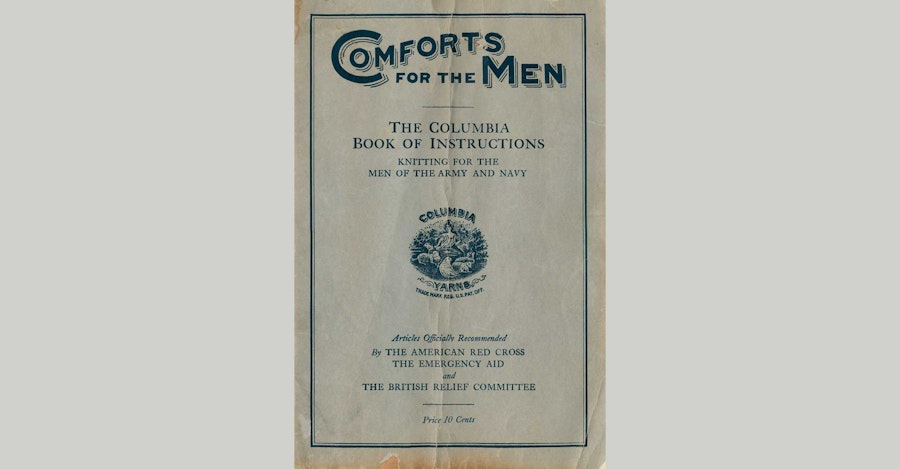
From hot water bottle covers to the "Helpless Case Shirt," knitters produced amazing quantities of warm clothing and other items for servicemen and the wounded during World War I.
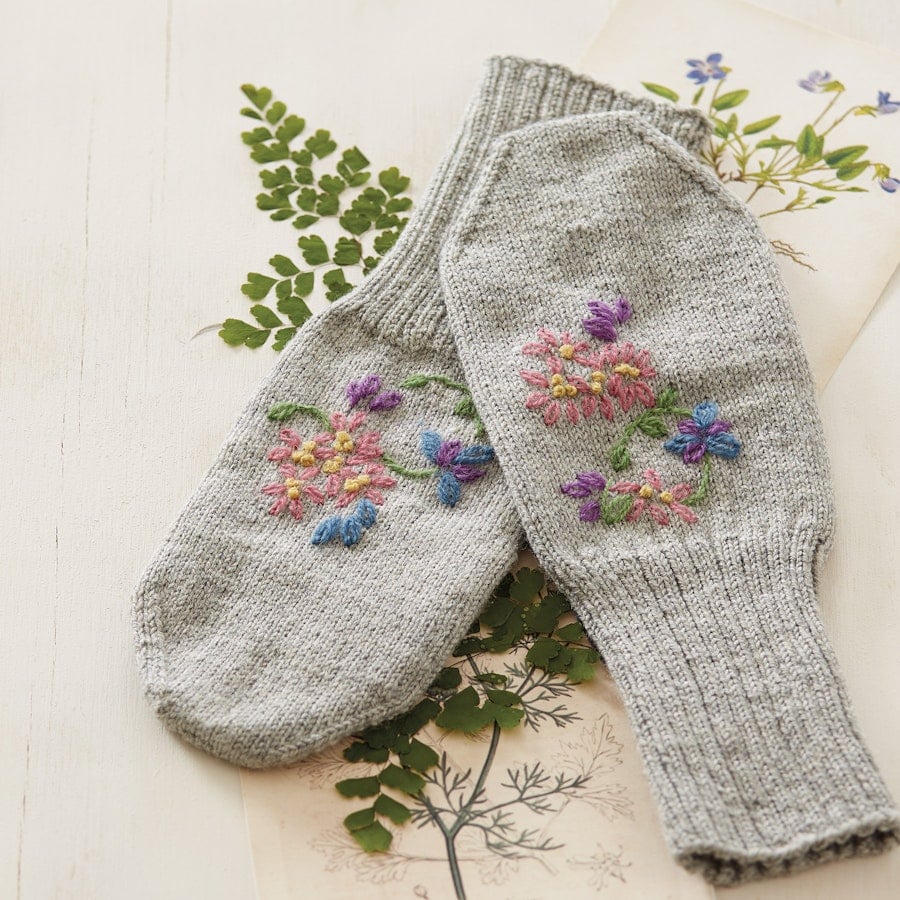
A pair of hand-embroidered mittens from a World War II relocation camp serve as a testament to resilience and the sustaining power of craft. And you can make them, too.
Subscriber Exclusive
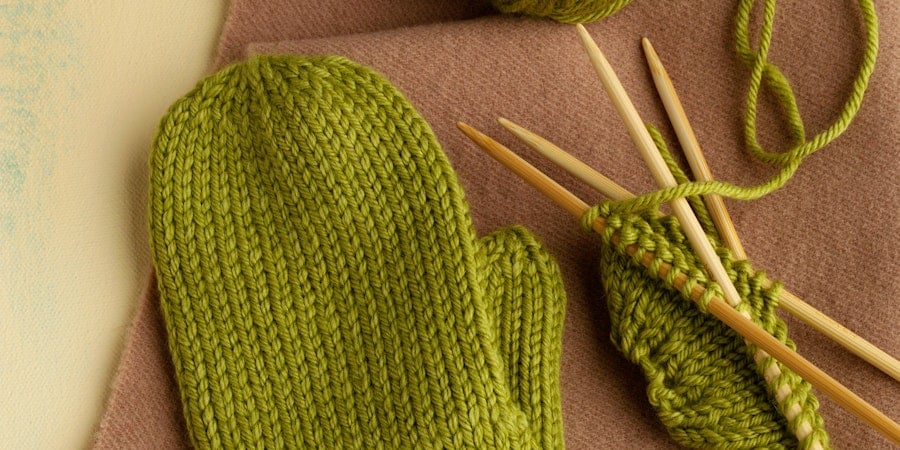
A sixteenth-century child’s mitten now in the collection of the Museum of London inspired Susan Strawn’s contemporary mitten design in two sizes.
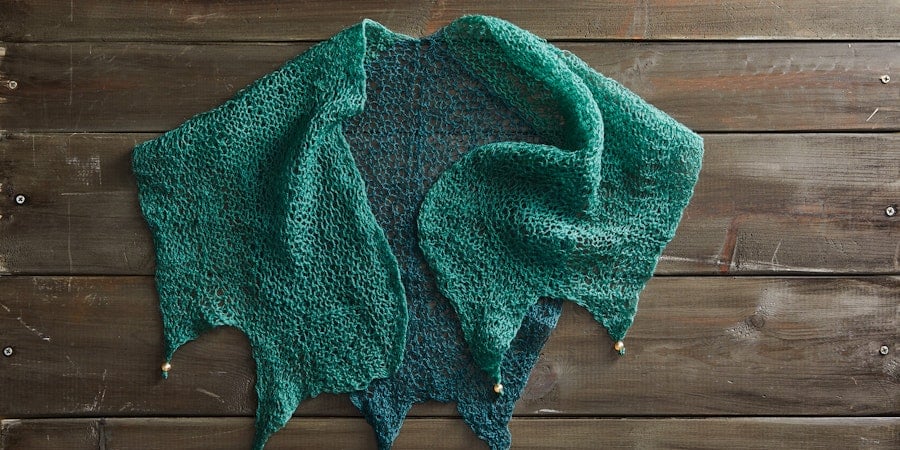
Virginia Woods Bellamy discarded traditional knitting measurements for geometrical principles.
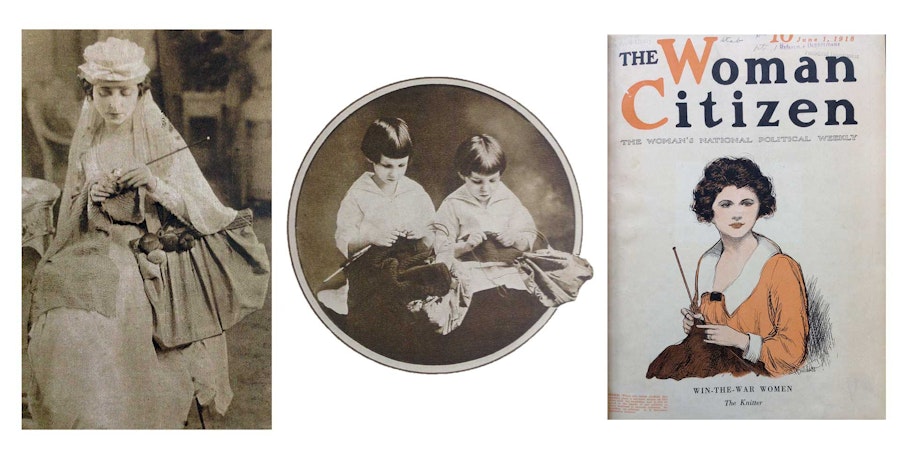
One of the most patriotic symbols of World War I were the knitting bags carried by women everywhere.
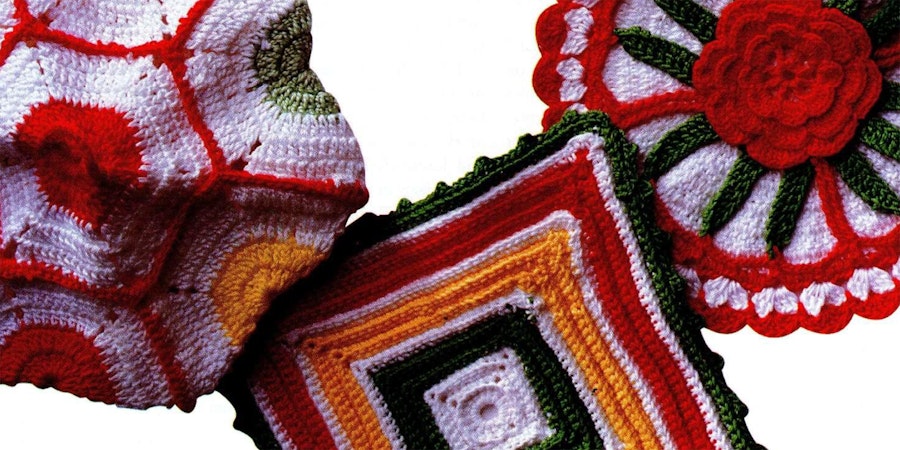
After I wrote a story about a set of crocheted pot holders I discovered, readers responded with a range of opinions about this needlework form.
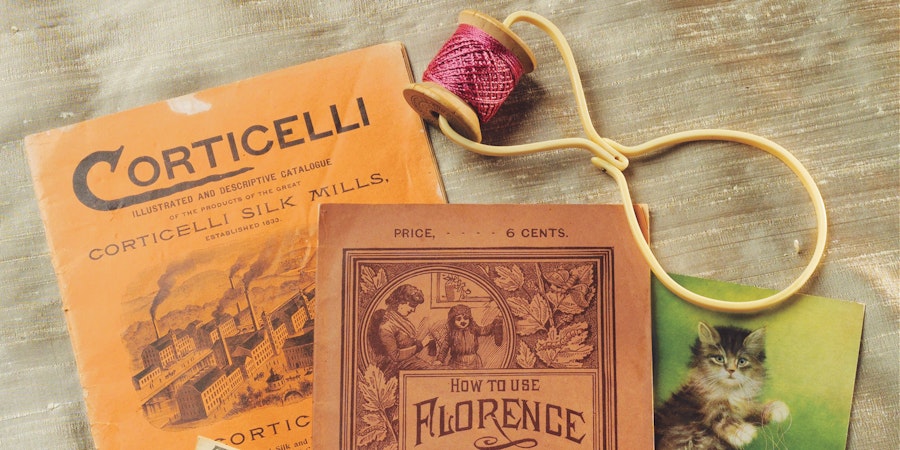
Corticelli advertisements claimed that perfection was the company’s only acceptable product. Susan Strawn unravels the history of the Corticelli brand of silk yarn.
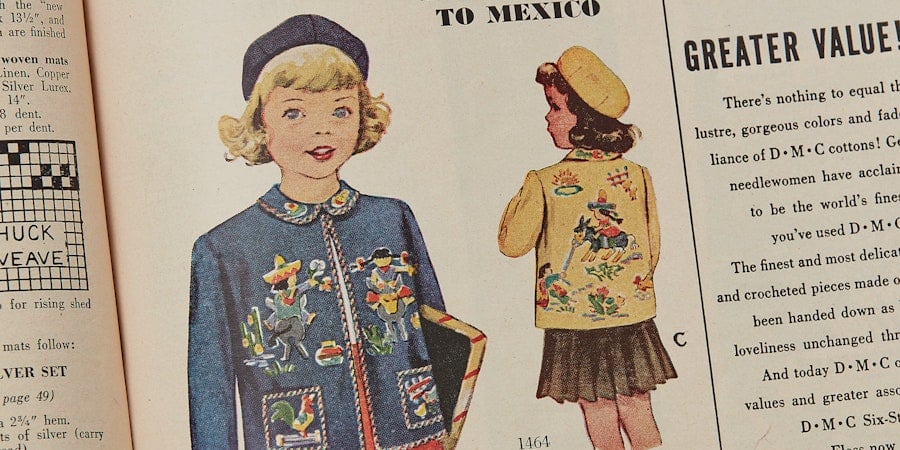
Colorful embroidered Mexican souvenir jackets offered both real and imagined holidays to Mexico during the late 1940s and early 1950s.


