

For this month’s A Place to Come To series, highlighting remarkable exhibitions and collections, travel to Orvieto, Italy, and meet contemporary Merletto di Orvieto lacemakers preserving a beloved cultural heritage.
Orvieto, Italy, lies halfway between Rome and Florence and sits on a volcanic hilltop that overlooks the Umbrian countryside. The village is patched with olive oil farms and sweet medieval hamlets. The height of the village assured a sense of security for the five different popes who periodically called it home during the thirteenth century.
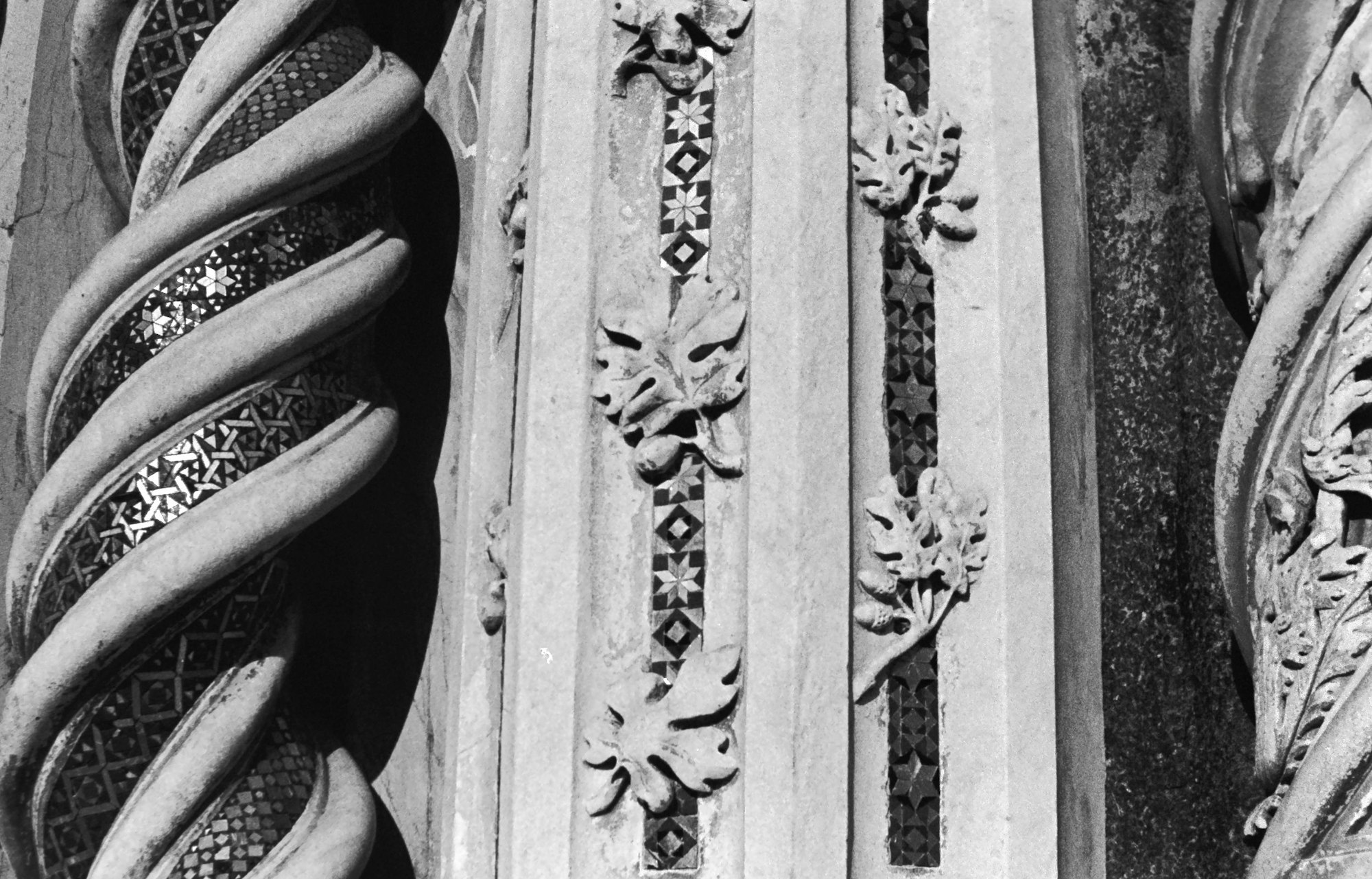
The original inhabitants, the Etruscans, are responsible for the maze of tunnels that meander beneath the hilltop town. The Etruscans raised pigeons and dug wells that sustained the town through attempted military seizures long before the popes arrived. Orvieto is known for its duomo: one of the most stunning cathedrals in all of Italy, with a glittering mosaic facade. The town is also the home of Merletto di Orvieto, the handmade crochet lace that the region was famous for during the early twentieth century.
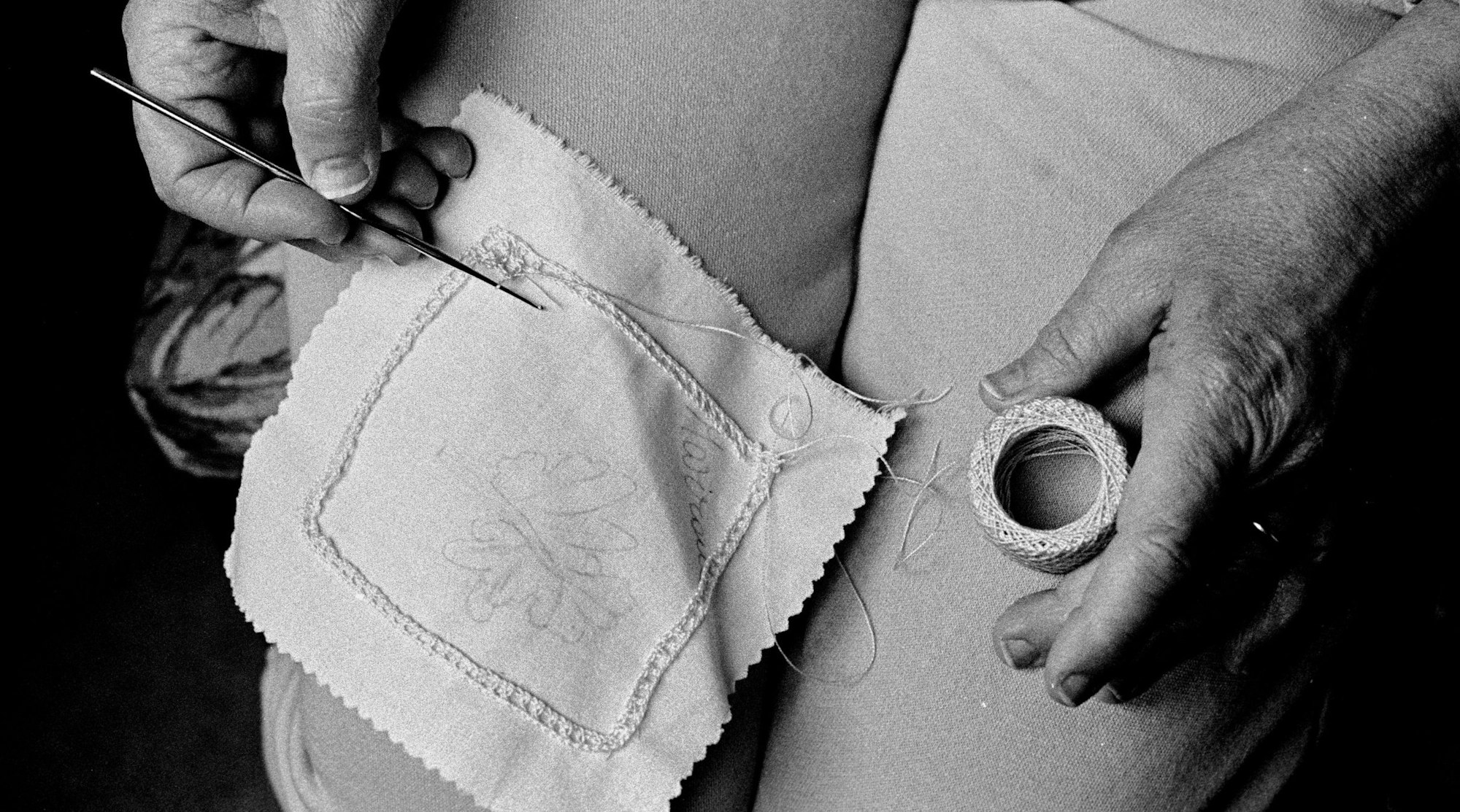
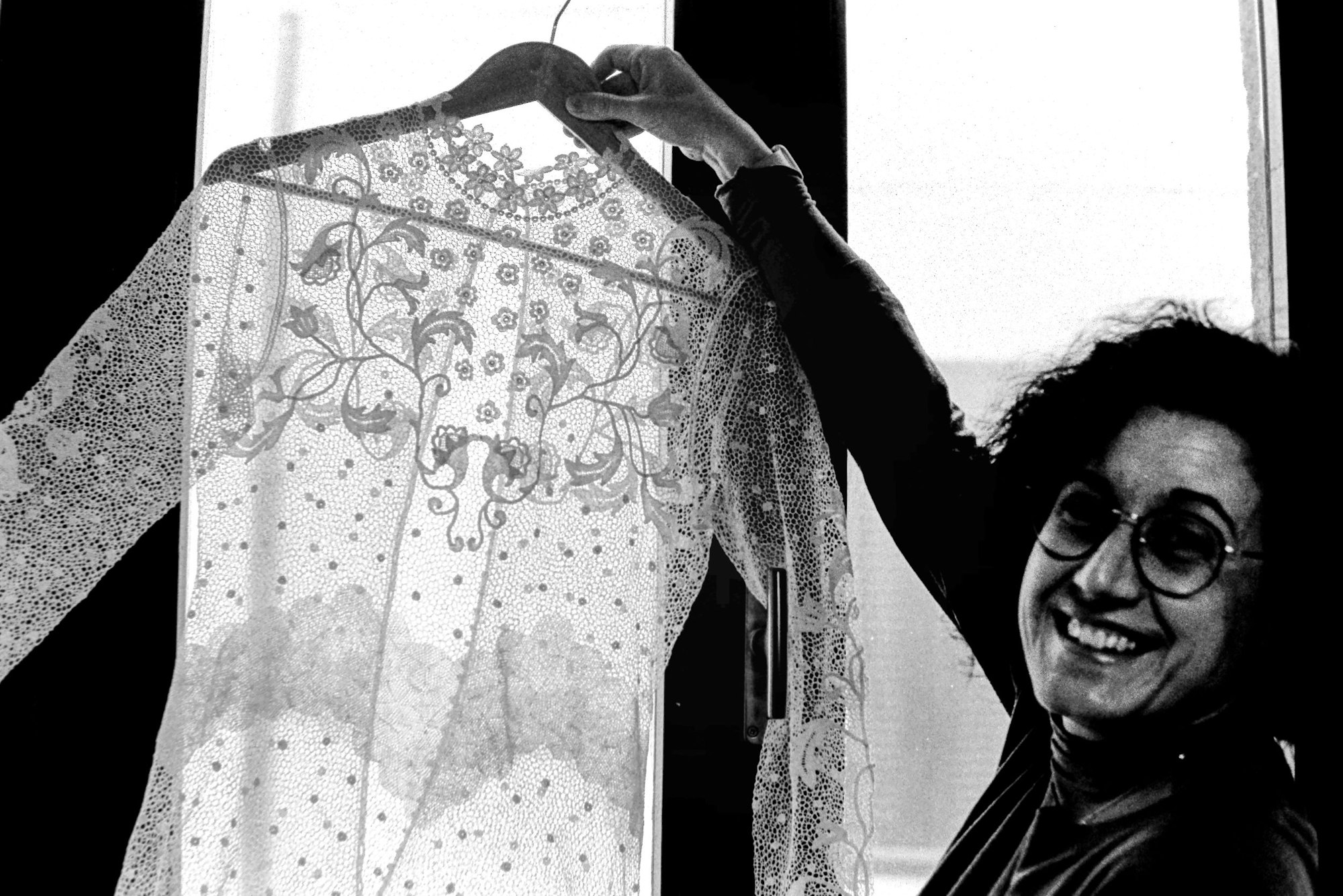
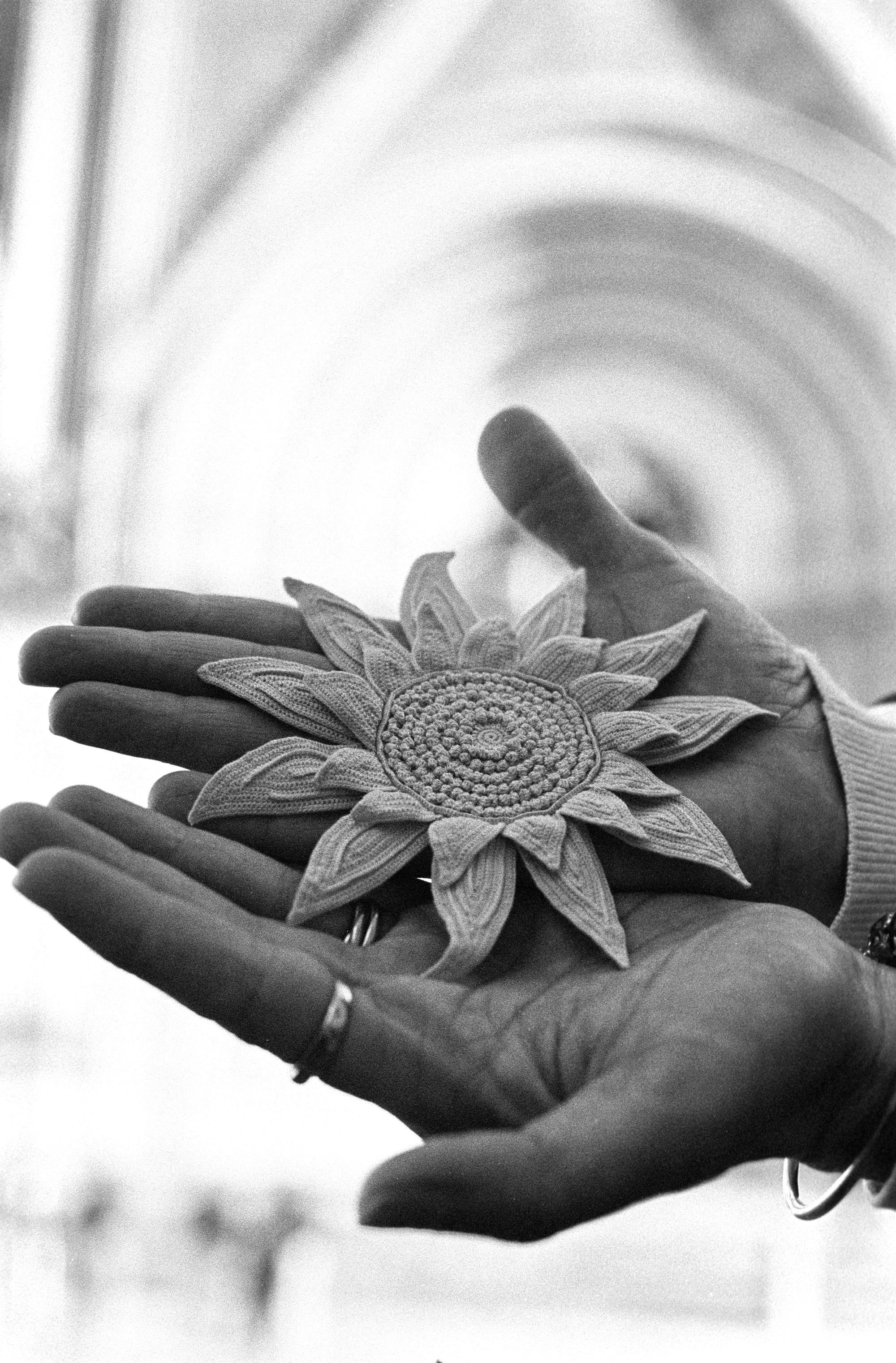
Only a small group of women in Orvieto still carry on the traditional lacemaking, while also adding their own contemporary flair to the endangered craft. While visiting Orvieto, I was lucky enough to experience a lacemaking workshop with two of these women. I also learned more about the history of this wonderful town. Orvieto is a perfect afternoon stopover for travel between Rome and Florence or a quick and easy weekend getaway from either city.
Get a closer look! Click any image in the gallery below to open it in full-screen mode and read the detailed caption.
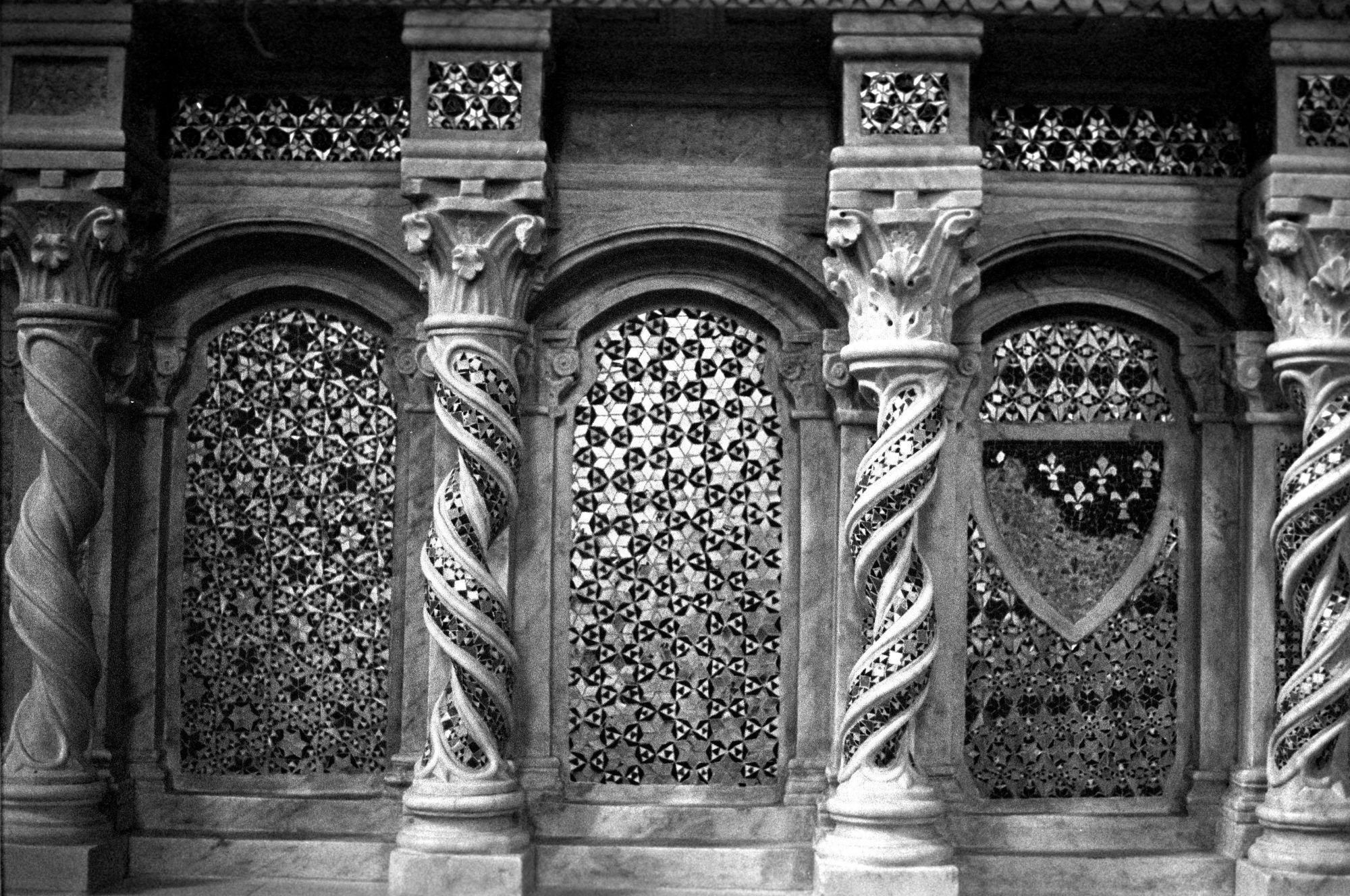
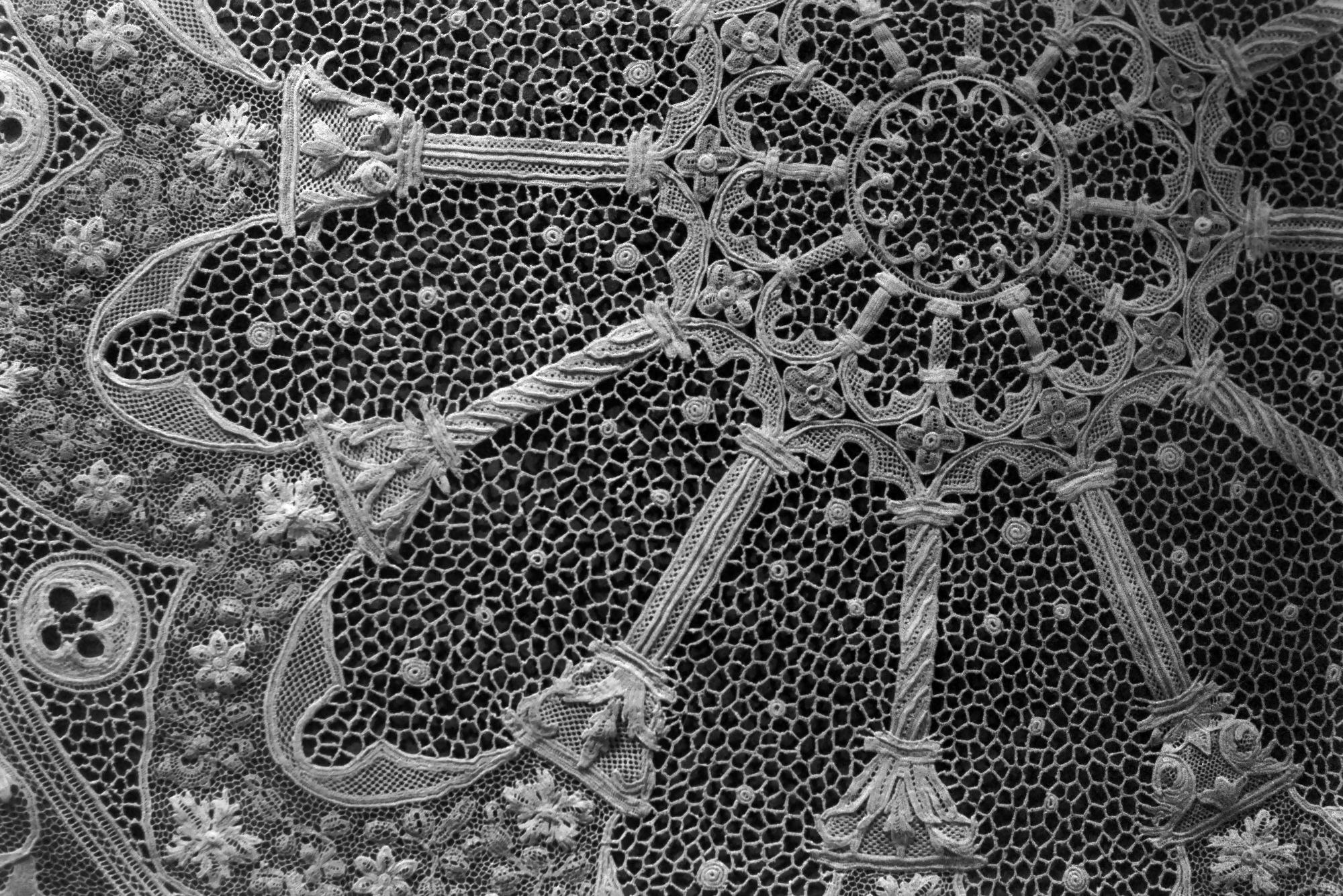
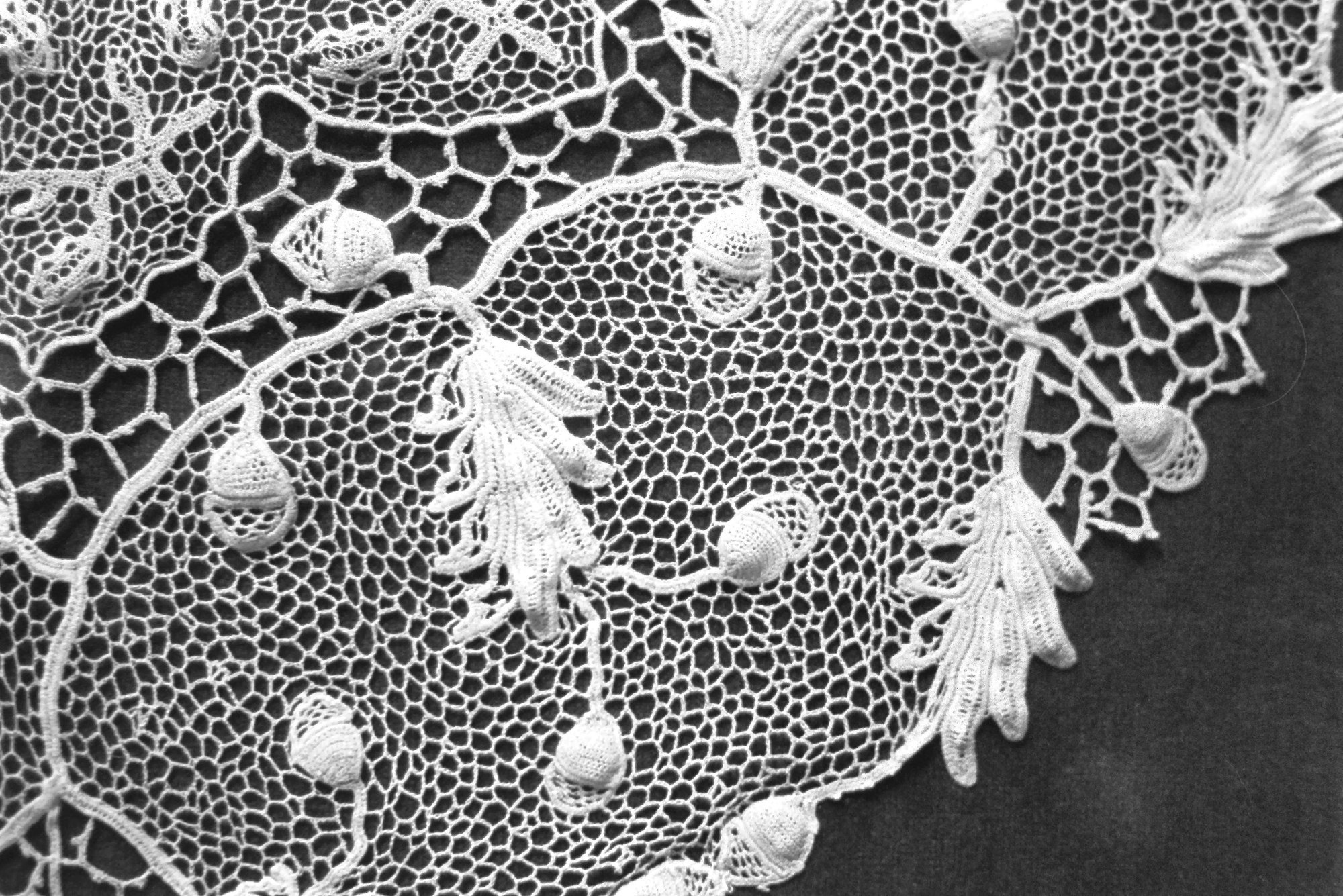
Orvieto’s lacemaking cottage industry got its start in 1907, when the Noble Faina family organized a cooperative workshop named Ars Wetana, which translates to Ancient Arts. The region was struggling economically at that time, and many women became unwitting heads of households after wars or crop failures. The Ars Wetana workshop trained these women in lace techniques inspired by Irish crochet lace. Each household specialized in making different crocheted elements and specific motifs that would later be joined together via a handmade base of netting. Lacemakers combined each element to create ethereal masterpieces. Once the pieces were finished, Count Faina collected and transported them to Rome, where they were sold in the thriving tourist and export markets.
Merletto di Orvieto came into its own and distinguished itself from the Irish lace technique when artisans began to use motifs inspired by their duomo’s magnificent facade. Eventually, about 300 households in the municipality of Orvieto made their living from the local lacemaking trade—which also included thread spinners and ironers, who were responsible for enhancing three-dimensional effects. Ars Wetana continued to support the community until, sadly, it closed in the 1970s. The women who continue to practice Merletto di Orvieto are dedicated to preserving local crafts and are petitioning UNESCO to obtain the recognition of Orvieto lacemaking as an Intangible Cultural Heritage.
Get a closer look! Click any image in the gallery below to open it in full-screen mode and read the detailed caption.

With the support of the local Lions Club, the town of Orvieto has recently opened a permanent exhibition on the history of Merletto di Orvieto at the Palazzo Coelli. To find the exhibition, take the funicular from Piazza Matteotti to the top of the hill, at Piazza Cahen. The lace exhibition at the Palazzo Coelli is a short and easy walk from there. Save your funicular ticket, which will also let you take the local bus to the town’s central square, where you can see the duomo. At the visitor center in the square, you can also purchase tickets for the local archeological and art museums, as well as guided tours into the Etruscan tunnels underneath your very feet.

Merletto di Orvieto frock made for the sculpture of the infant Jesus found in the eleventh-century church of San Giovenale in Orvieto.
In the careful hands of the women who continue this work, crochet lace becomes a quiet act of preservation, linking Orvieto’s ancient foundations to its modern life. To visit the town is to encounter delicate threads that hold generations together. Whether you come for an afternoon or a long weekend, Orvieto offers the rare chance to witness a fragile tradition still very much alive.