
This mitten pattern is based on a pair of Sami mittens I saw in Lulea, Sweden, at the Norrbottens Museum.
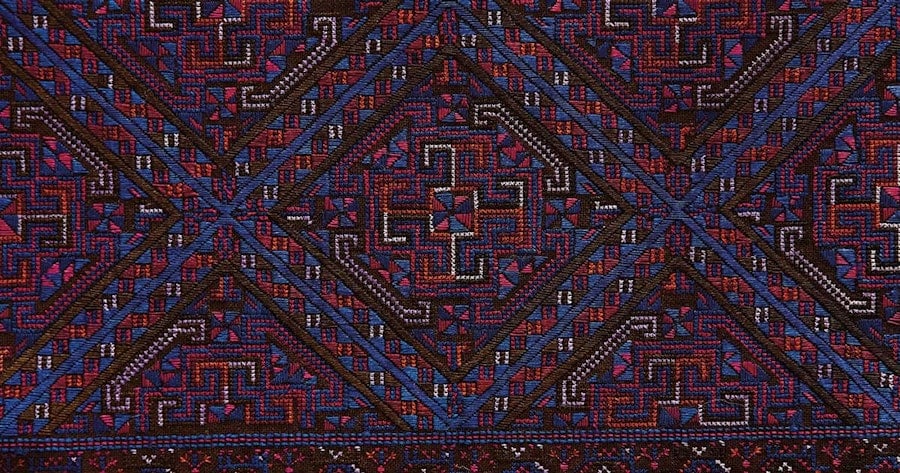
Embark with us on a PieceWork journey that celebrates “fine work.” We travel the globe and present examples of especially fine embroidery, knitting, needlepoint, and crochet.
Crochet is a language unique in needlework. Learning to crochet is like learning a foreign language that uses a different alphabet, a different construction, and a different elemental foundation.
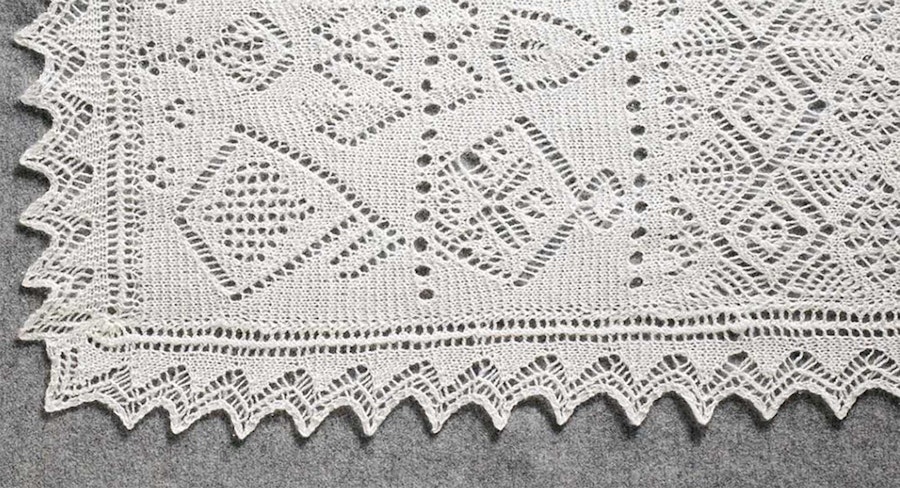
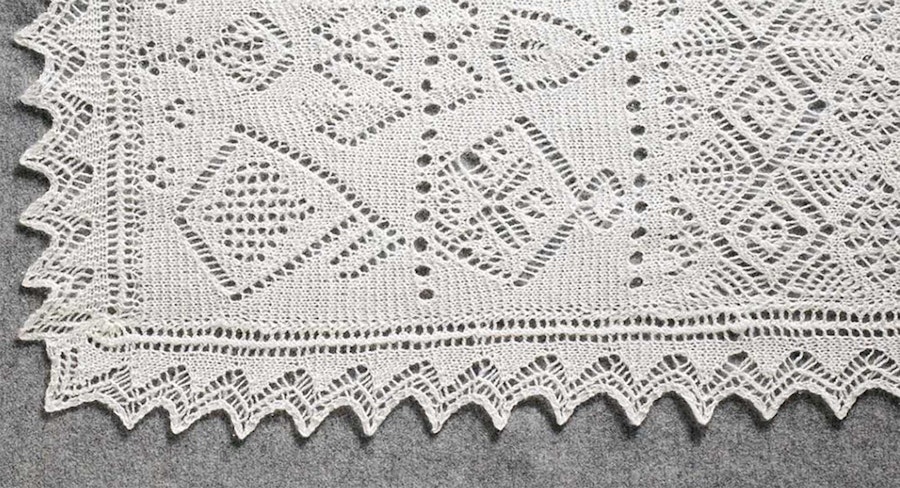
For an example of knitting that would have been done in the last two decades of the nineteenth century, the Victorian era, we asked Carol Huebscher Rhoades to knit the Double Rose-Leaf pattern for us.

PieceWork’s electronic pattern book Weldon’s Practical Bead-Work, First Series, opens a window on another time and another place. The time is the turn of the twentieth century and the place is London, England.
We offer up another mysterious Victorian knitting project from the pages of Weldon’s Practical Needlework, Volume 1: Knitted Lace or Edging.

February 15, 1820: Suffragette extraordinaire (and lace enthusiast) Susan B. Anthony is born.

Jacqueline Fee recounts how she came to knit the Brewster socks, which were based on an original sock that was brought to her attention by her daughter.
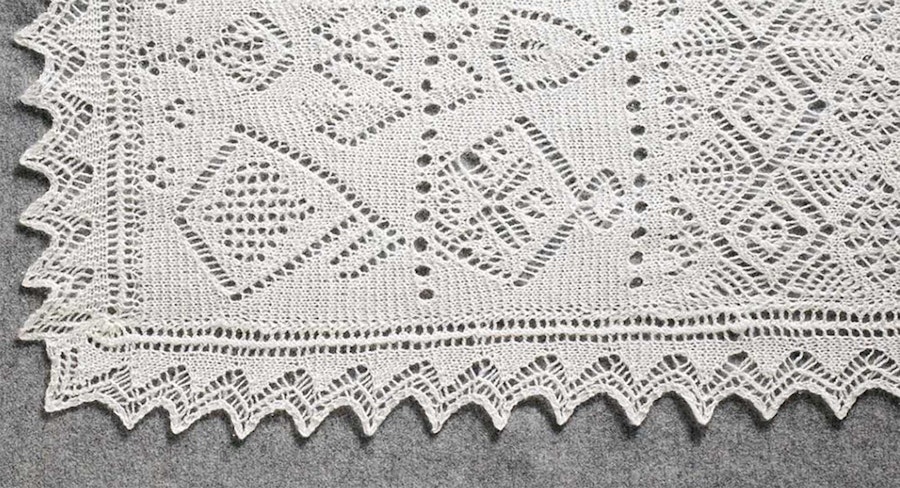
Carol Huebscher Rhoades’s lovely knitted scarf honors Isabella Bird, one of the nineteenth-century’s most extraordinary travelers.
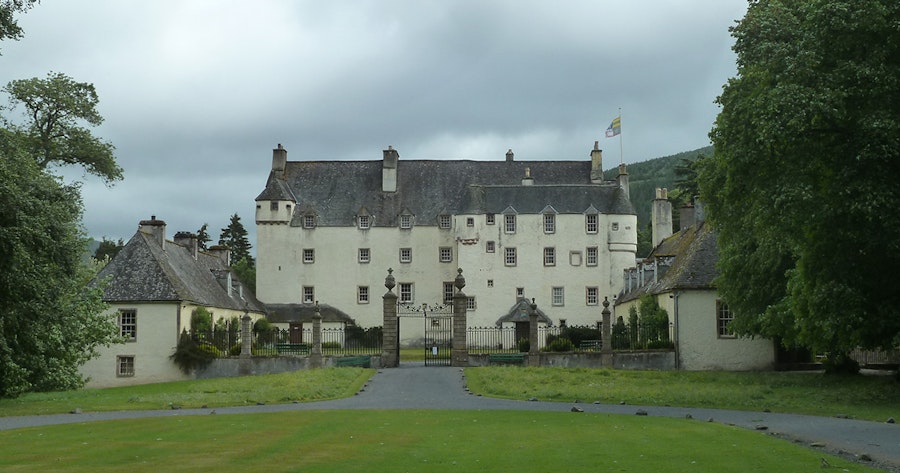
Traquair House is renowned for its collection of embroideries, which were stitched by needlewomen whose descendants still live in the house today.