
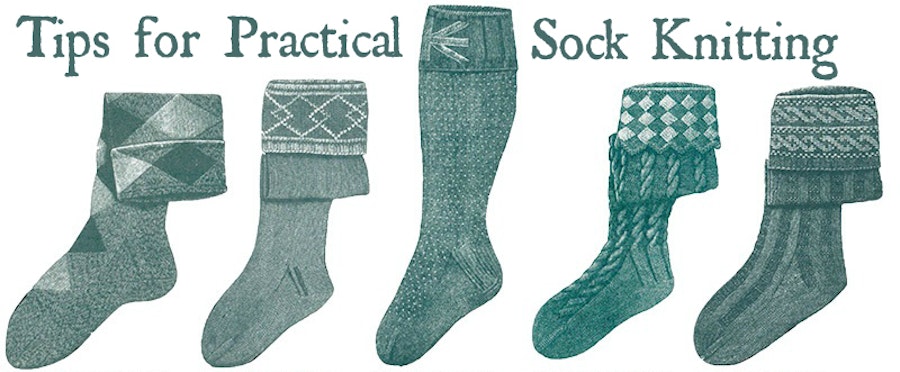
Today’s knitters are fortunate to pull from the ensuing “melting pot” of sock-knitting techniques from around the world and blend techniques for shaping heels and toes without much thought about whence they came.
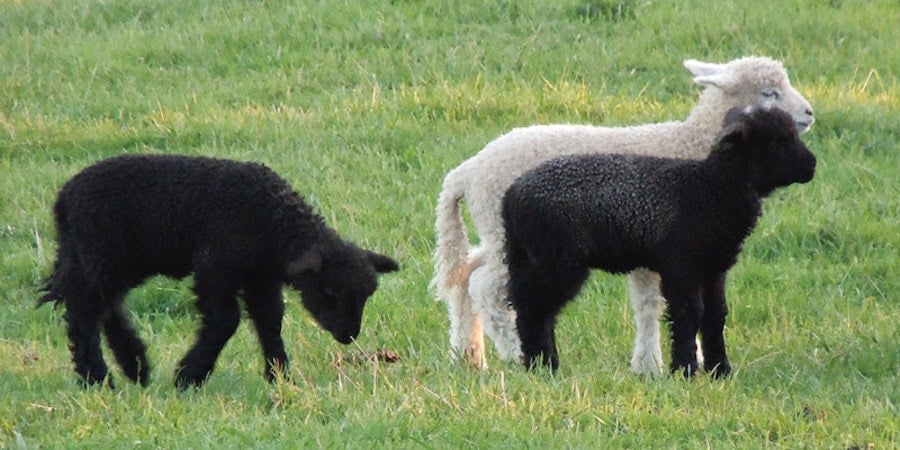
Allow me to introduce four rare, valuable sheep breeds and their delightful wools. For each breed, both spun yarns and fleeces are available, at the very least through Internet sources.
For those who use knitted wool soakers over cloth diapers, the Victorians have got you covered so to speak.
Do you love vintage crochet patterns? Weldon's Practical Needlework includes not only knitting patterns but crochet patterns, too.
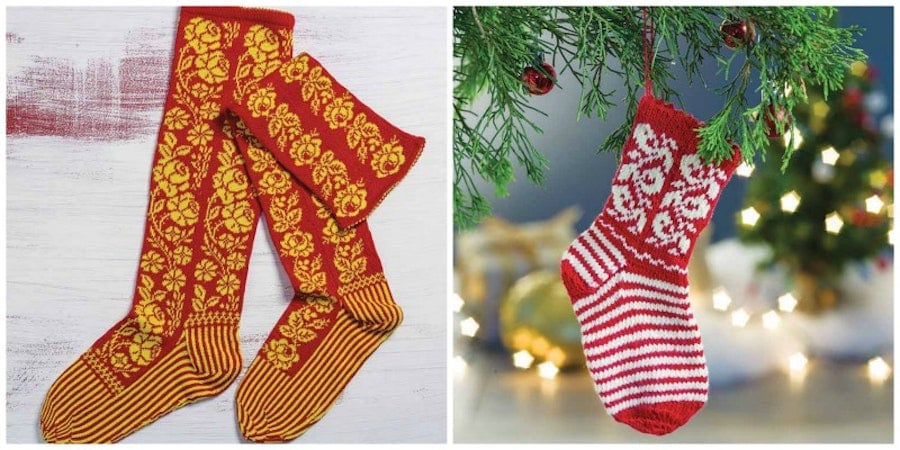
The Portuguese Spiral Toe is created through shifting decreases throughout the toe shaping. It’s not a complicated process, but it’s quite unique and creates a distinctive look.
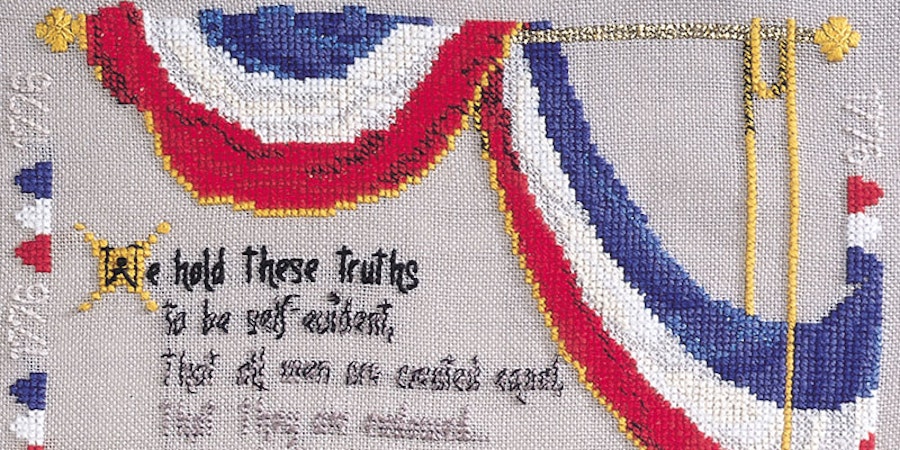
The PieceWork July/August 1999 issue features the Stars and Stripes Sampler designed by Nan Heldenbrand Morrissette.

In the United States and abroad, wartime has long involved knitters.


From the pages of Ladies’ Needlework; Crochet; Tales and Poetry: A Melange of Instructions and Amusements, originally published in 1849 and available as a PieceWork eBook.

Imbue your totems, tokens, or talismans with even more significance by nestling them in a handmade treasure pouch, from the PieceWork January/February 1994 issue. It’s perfect for precious things!