
For this month’s A Place to Come To series, highlighting remarkable exhibitions and collections, we visit the Mingei International Museum in San Diego, California.
A Museum Born from a Love of Everyday Beauty
The Mingei International Museum was founded on a simple but powerful idea: Beautiful, meaningful art is created by everyday people, not just famous artists. The word mingei itself means “art of the people,” a term coined by Japanese scholar Sōetsu Yanagi to honor the beauty of handcrafted objects made for daily life. Martha Longenecker, an artist and professor who studied pottery in Japan, founded the Mingei Museum in 1974, and it opened its doors four years later. The early mission of the museum was to collect and share “arts of daily use” from cultures around the world—objects made by anonymous craftspeople whose work reflects tradition, skill, and community. Longenecker’s connections with leaders of the Japanese Mingei movement helped her bring this philosophy to the United States, shaping the museum’s identity from inception.
A Vast Collection and Vibrant Exhibitions
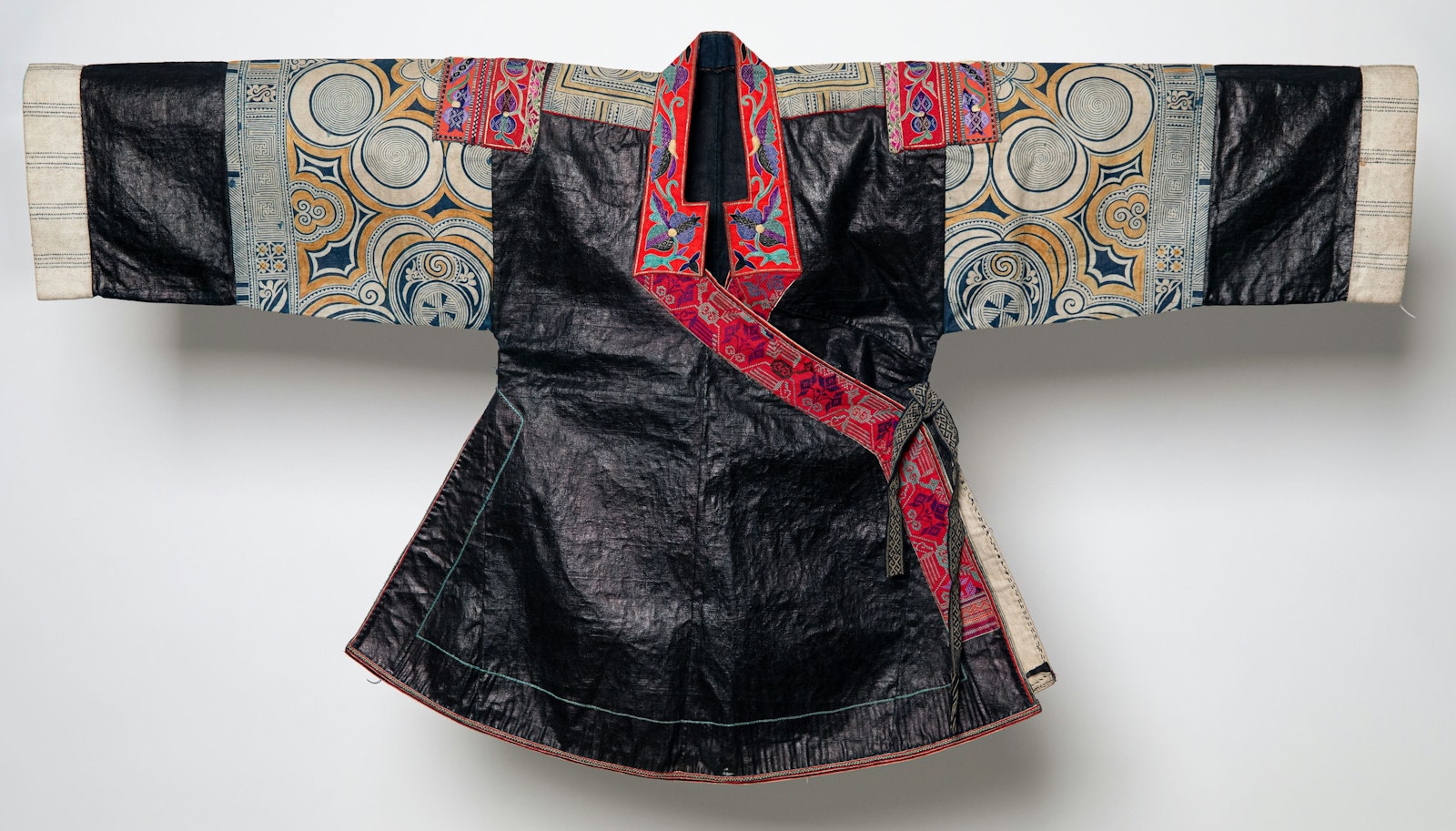
The Mingei Museum’s textile collection comprises an extraordinary range of global craftsmanship used in daily life and ceremony. Many pieces reveal intricate techniques, such as hand-dyed indigo, weaving, and meticulous embroidery. From a nineteenth century dress fashioned from silk cigar bands and a vibrant beaded crown from Nigeria to nearly 400 pieced and appliquéd quilts, these textiles highlight stories, identities, and traditions that speak to generations of cultural knowledge.
Learn more: click on the pictures below to enlarge them and read the captions.
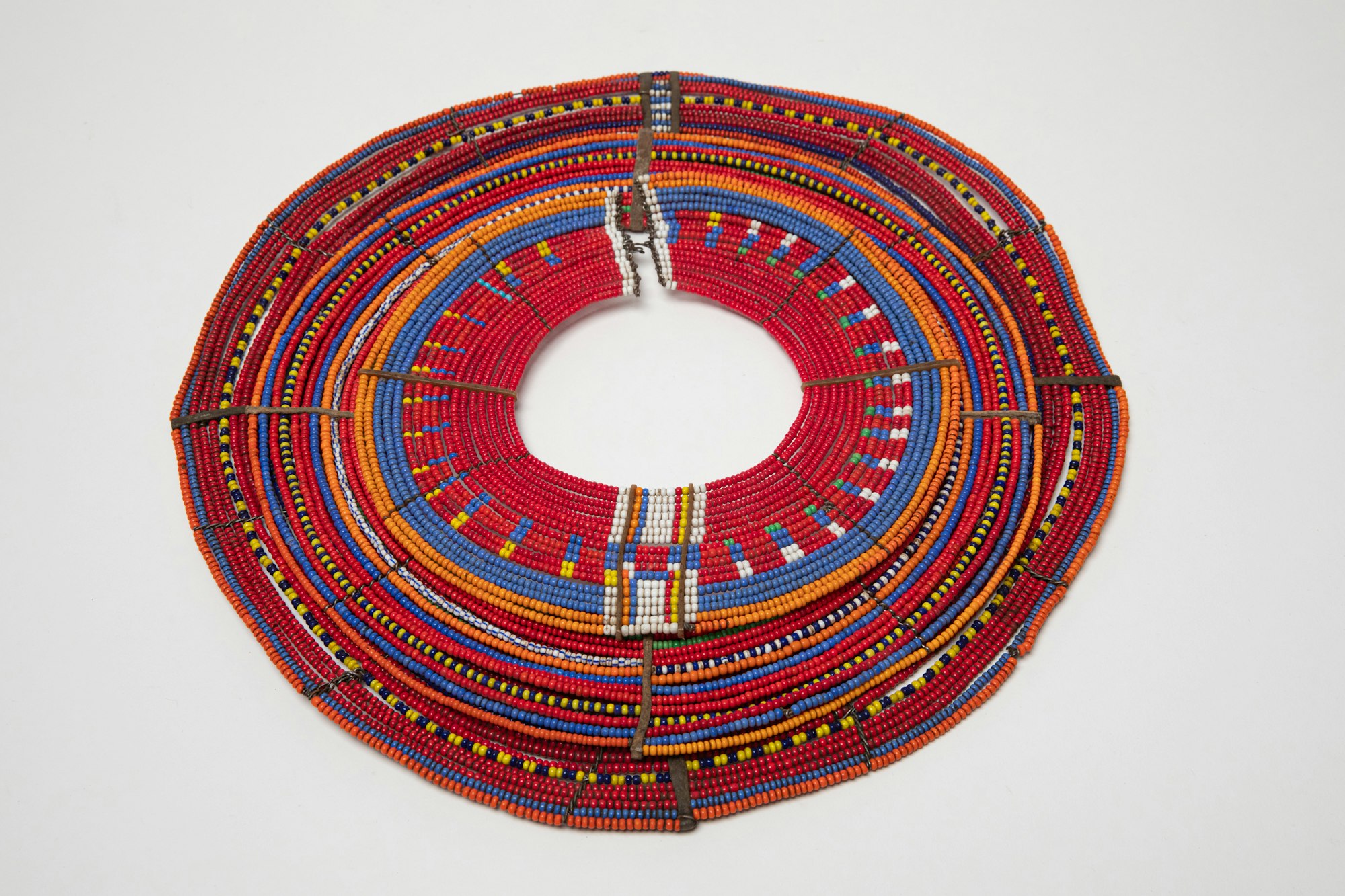
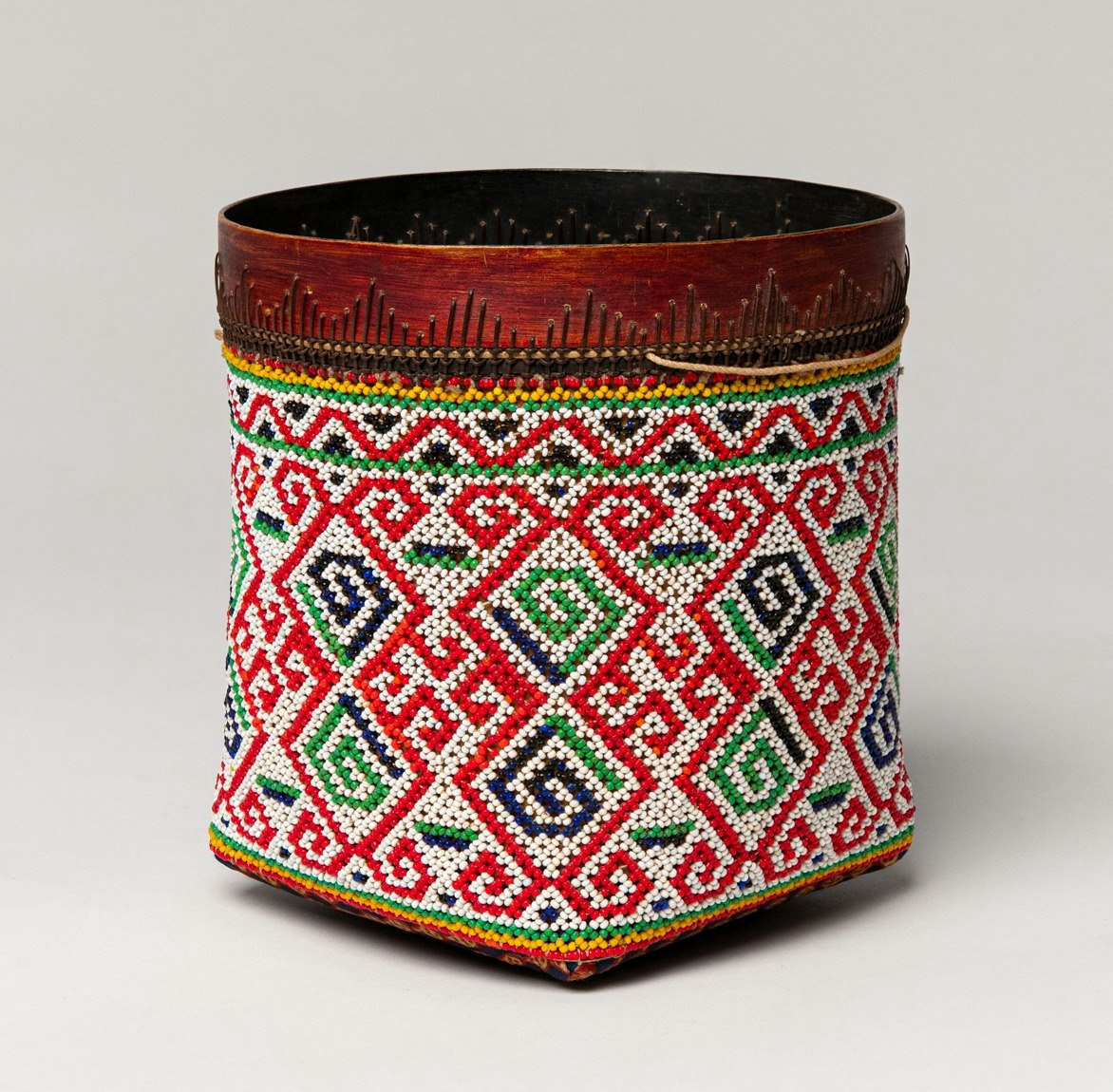
The Mingei continues to celebrate global craft, folk art, and design with a warm, inclusive spirit and is recognized for its diverse exhibition lineup. Over 183 exhibitions have displayed everything from textiles and pottery to furniture, jewelry, and contemporary design. From ancient to modern, the museum highlights objects from many cultures, always emphasizing the human stories behind them.
Recent renovations have transformed the museum into a bright, open, community-centered space. In addition to the galleries, the museum serves as a lively hub for community learning and social activities.
Restitched: Feed Sacks in Mid-Twentieth-Century Quilts
Restitched, one of several exhibitions on view now, presents a collection of quilts crafted from repurposed feed sacks—an inventive practice embraced by makers in the early to mid 1900s. During the hardships of the Great Depression, families often reused cotton feed bags, originally meant for storing bulk dry goods, to create household items such as clothing and quilts. Manufacturers began printing feed sacks with colorful patterns and prints that inspired a trend of handmade feed sack textiles. This exhibition honors the creativity, resourcefulness, and imagination of those feed sack quilters.
Learn more: click on the pictures below to enlarge them and read the captions.
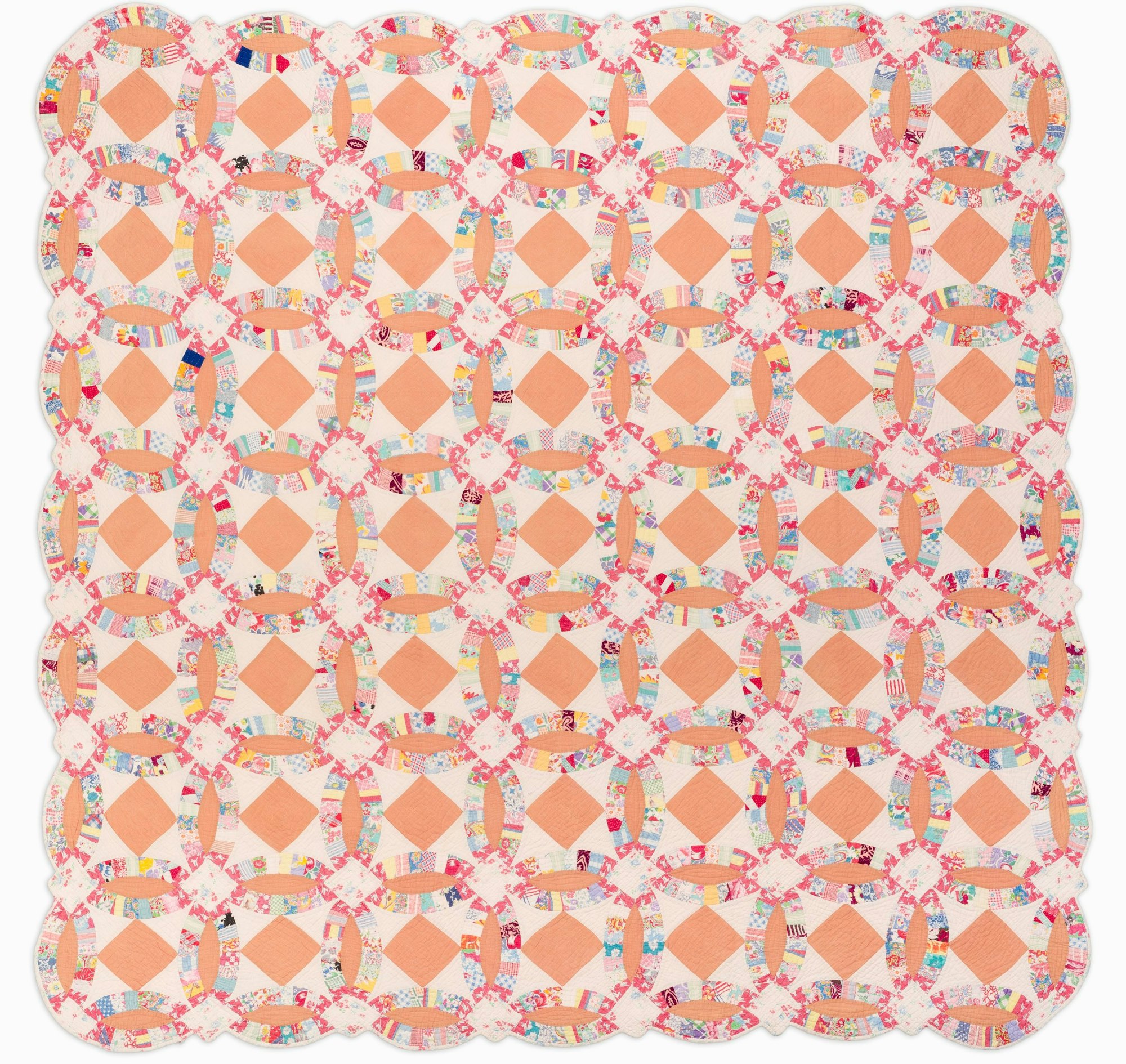
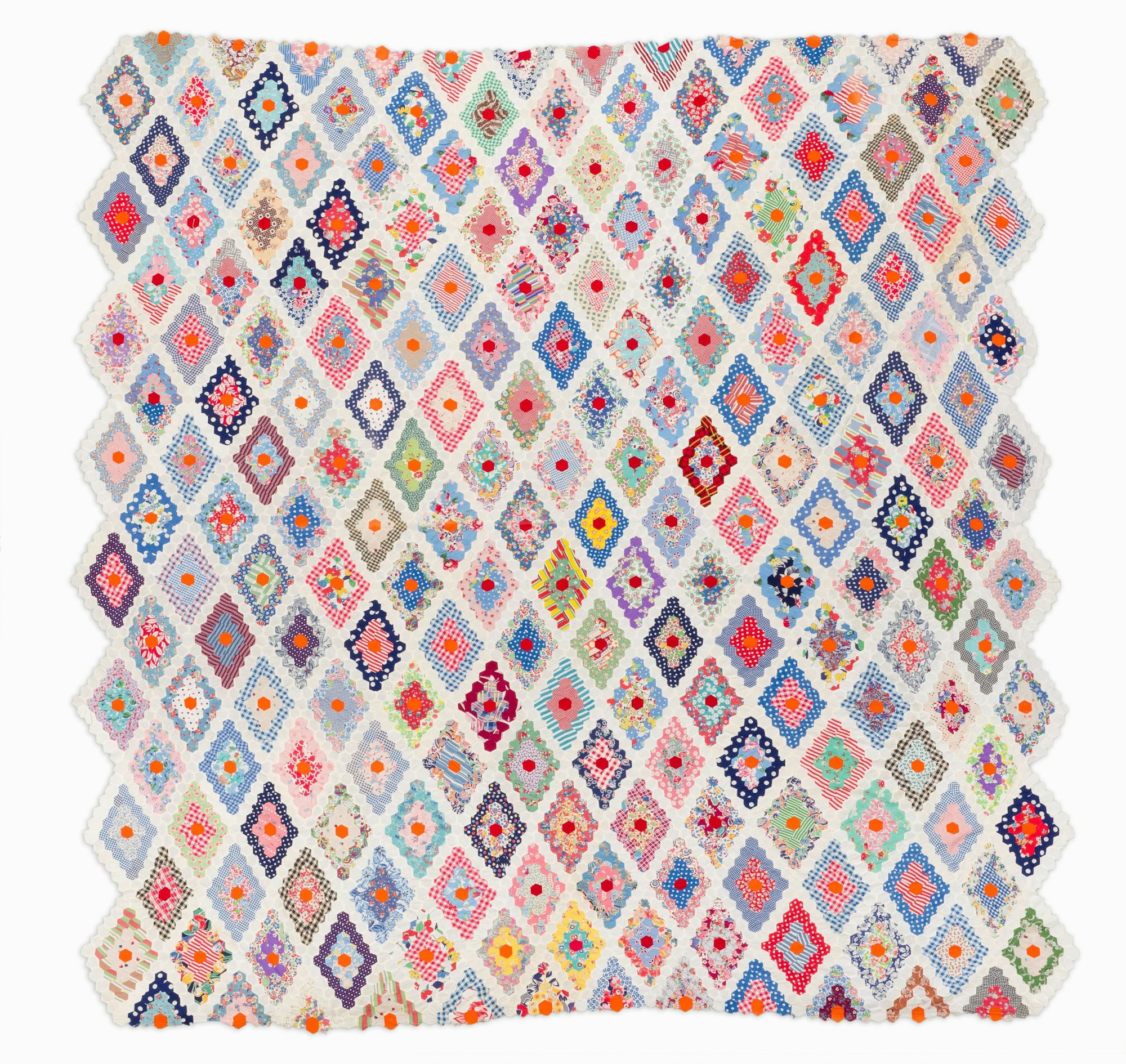
Curator Guusje Sanders reflects on the exhibition: “Restitched is about celebrating human creativity, innovation, and resilience in the face of hardship. When people go through difficult times, there is a desire to create with one's hands and express oneself in the objects we make. I think this is something that is happening now. People are connecting to craft and finding ways to process and heal through creativity.” You can visit the exhibition through May 10, 2026.
As the Mingei Museum evolves, it uplifts the same core truth: Beauty thrives in the hands of ordinary makers, and their work still shapes how we understand craft, culture, and community.
More Feedsack Resources
Enjoy this story by Linda Ligon about her childhood feed-sack dresses.
Learn more about feed-sack fashion in PieceWork's Fall 2020 issue
Happy viewing, Karen