
What do a many-sided pincushion, spider silk, pineapple leaves, and a humble bodkin have in common? Each shows the ingenious and occasionally surprising world of needlework history. Exploring these curious corners of needlework is one of my favorite things, and I’m delighted that so many of you enjoy it, too. Our most-read PieceWork web articles related to quirky needlework history invite us to discover how everyday tools shape handwork, how necessity sparks fashion, and how makers across cultures transform the ordinary into the extraordinary. From yo-yos stitched into artwear and feed sacks reborn as dresses to shimmering metallic threads and centuries-old lace traditions, these 10 favorites reflect the curiosity at the heart of PieceWork.
#1 The Curious Case of the Biscornu
The biscornu has long fascinated needleworkers with its quirky eight-pointed form and clever construction, but where did it come from?
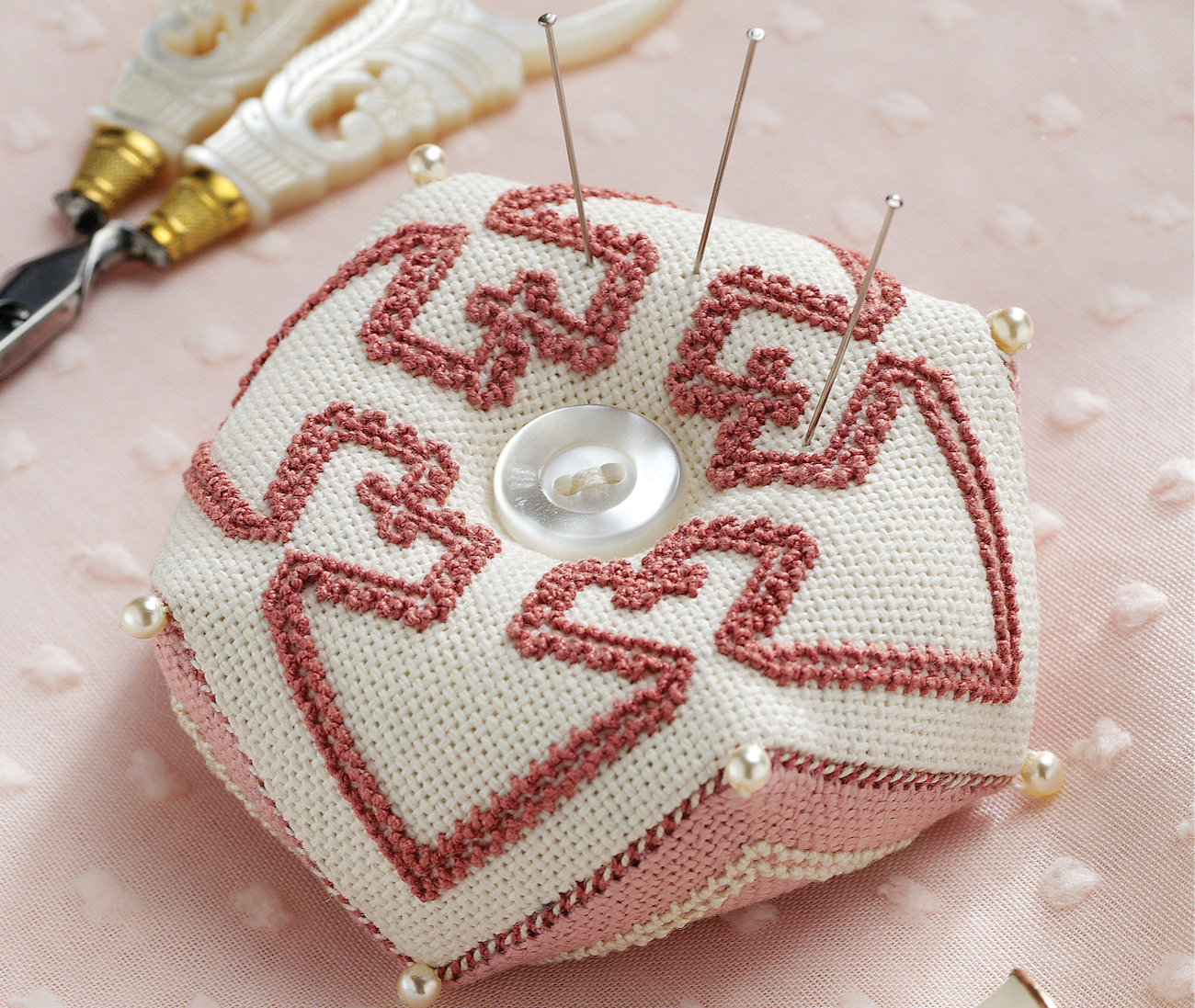 An exquisite biscornu worked in Sardinian knot stitch by Gioja Jaralui.
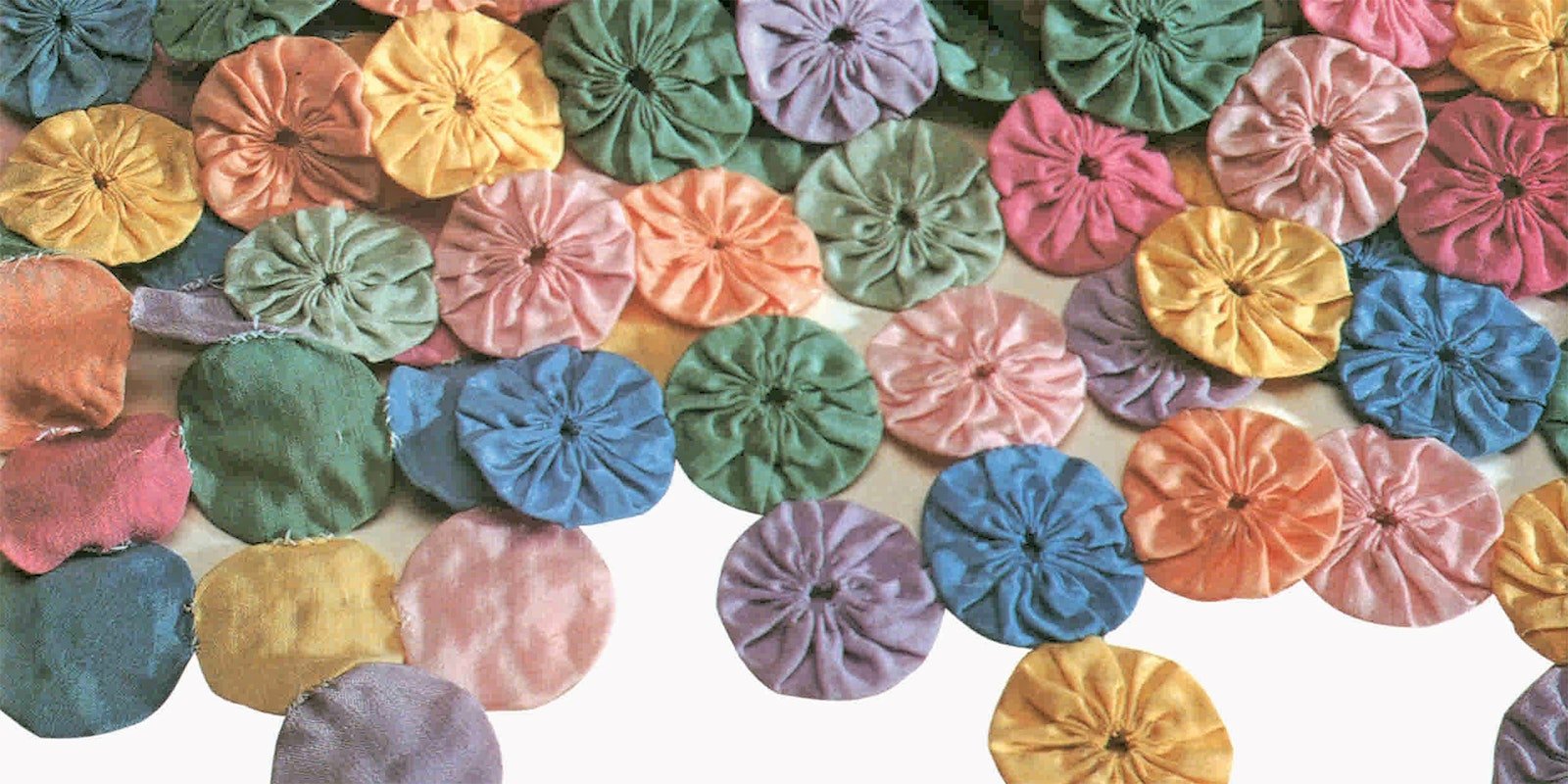
#2 From Yo-Yos to Artwear
Salvaging scraps from damaged vintage textiles, a designer creates modern couture.
#3 The Indispensable Bodkin
Looking for a tool to pull a ribbon through stitching? The bodkin is your answer.
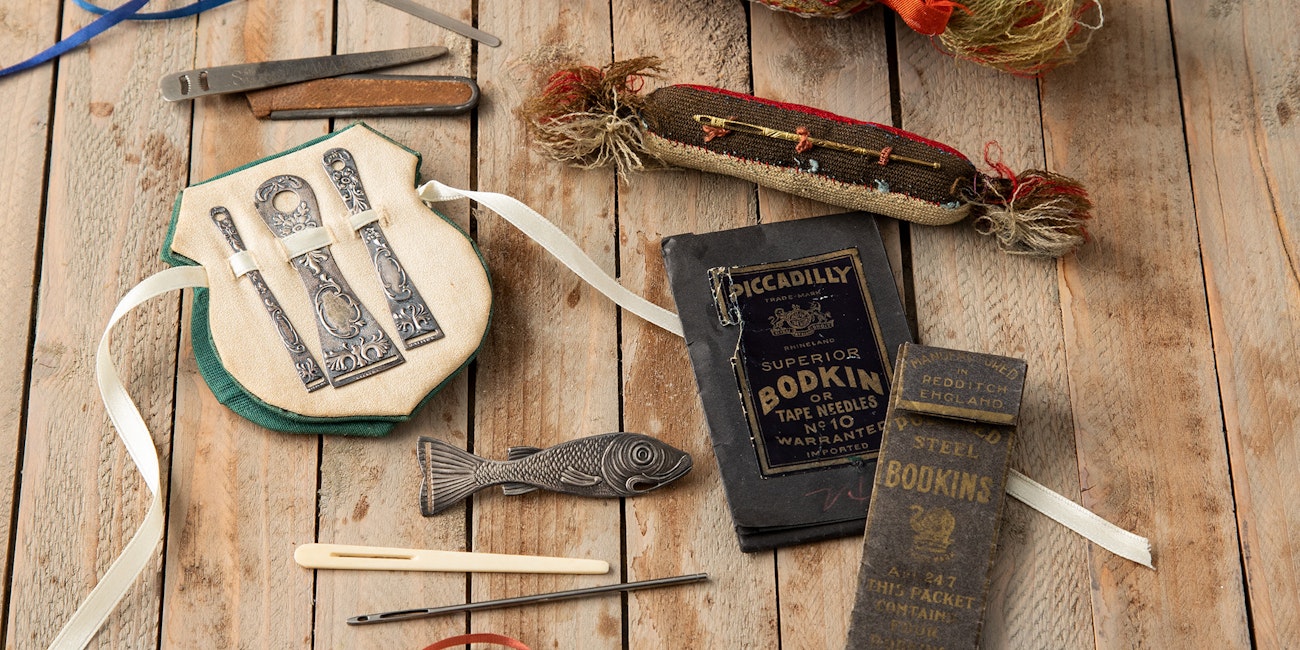
Antique bodkins and a variety of commercial and handmade bodkin holders from Dawn’s collection. Photo by Matt Graves
#4 A Brief History of Harvesting Spider Silk
If you’ve ever looked at a spider’s web and wondered what it would be like to work with such a fiber, you’re not alone.
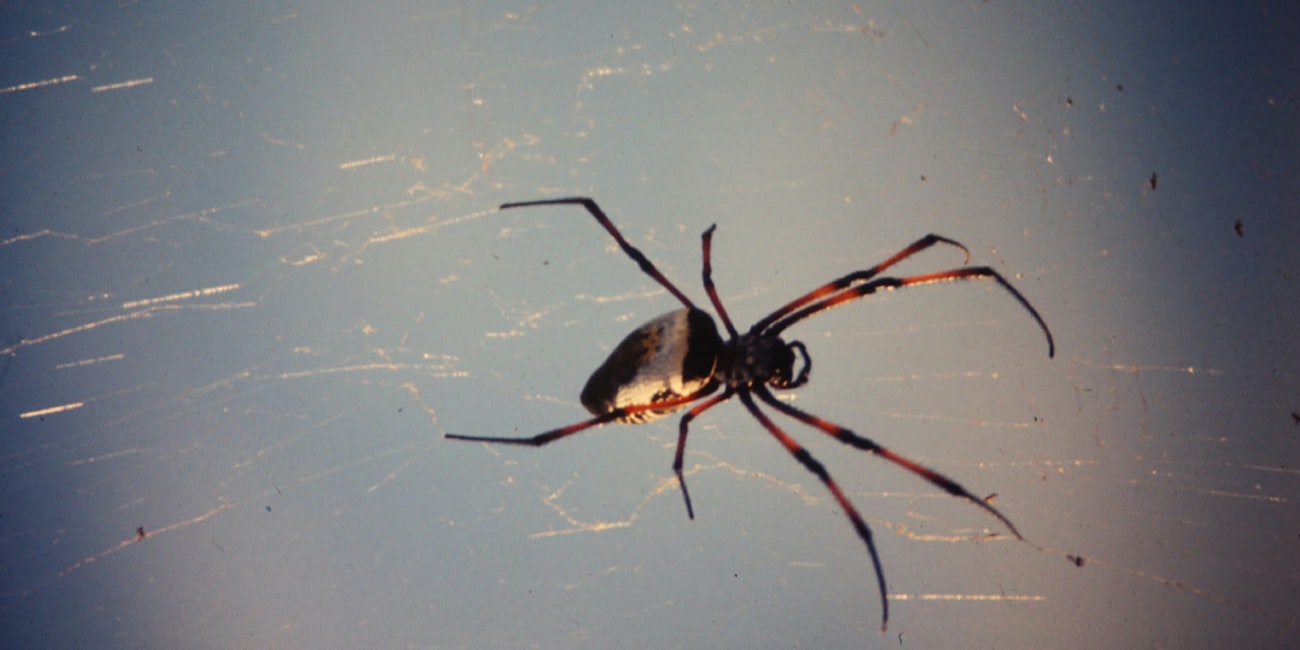
Photo courtesy of Nicky Pe via Pixabay
#5 Make Do: Feed-Sack Fashion in the First Half of the Twentieth Century
In the early twentieth century, staples, such as flour and livestock feed, were sold in cloth bags. As American families entered the 1930s, reusing these fabrics became more popular, and bags became more colorful.

A girl near Morganza, Louisiana, wearing a dress made from reused flour sacks in 1938. Photographer Russell Lee (1903–1986) traveled the country documenting American life for the Farm Security Administration beginning in 1936. Courtesy of the Farm Security Administration: Office of War Information Photograph Collection, Library of Congress
#6 Discover the Remarkable Process of Turning Pineapple Leaves into Fabric
From discarded leaves to delicate cloth, learn how Filipino makers turn pineapple fibers, called piña, into stunning cloth ready to embroider.
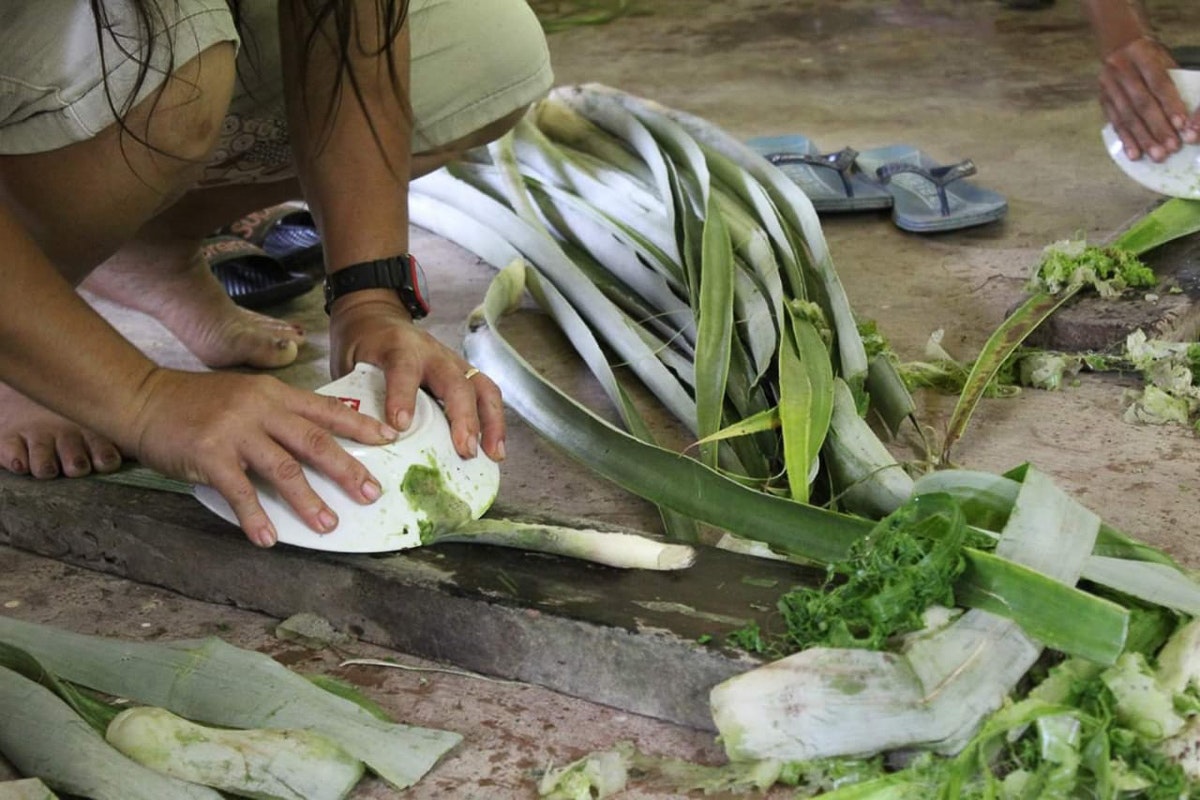
Scraping a pineapple leaf, 2021. Photo courtesy of Alfredo and Isabel Aquilizan
#7 The Sun Laces
A circular form of Spanish lace first appeared in sixteenth-century paintings, but this style of lace soon radiated out, and variations can be found far and wide.

Examples of sun laces. Late nineteenth or early twentieth century. From the Historic Costume and Textiles Collection, Colorado State University, Fort Collins, Colorado. Photos by Joe Coca
#8 All That Glitters Is Not Gold
Enjoy a look at the extraordinary art of Indian beetle-wing embroidery.
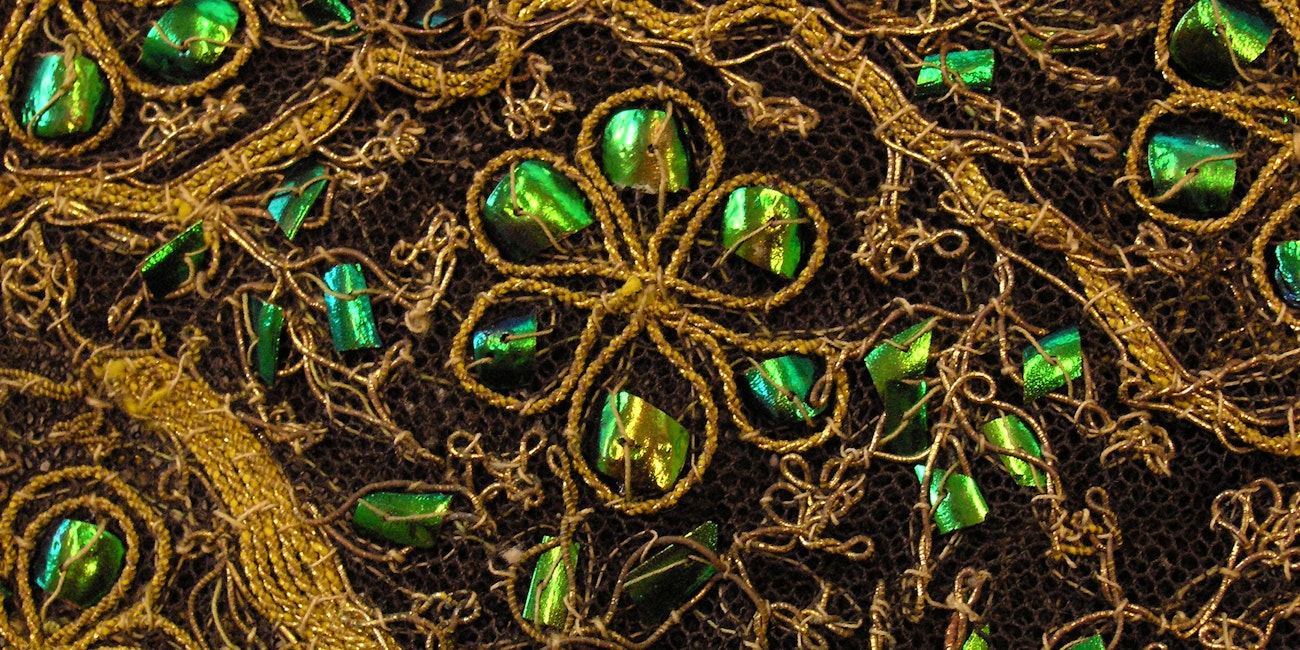
Nineteenth-century detail of skirt, silk net with couched gold beetle wings. Black skirt, silk net with couched gold and java beetle-wing embroidery. Collection of Auckland Museum Tamaki Paenga Hira, 1994.201, T1636. Image via public domain, Wikimedia
#9 A History of Hungarian Csetnek Lace
Learn the history and see the beauty of this delicate, little-known crochet style.
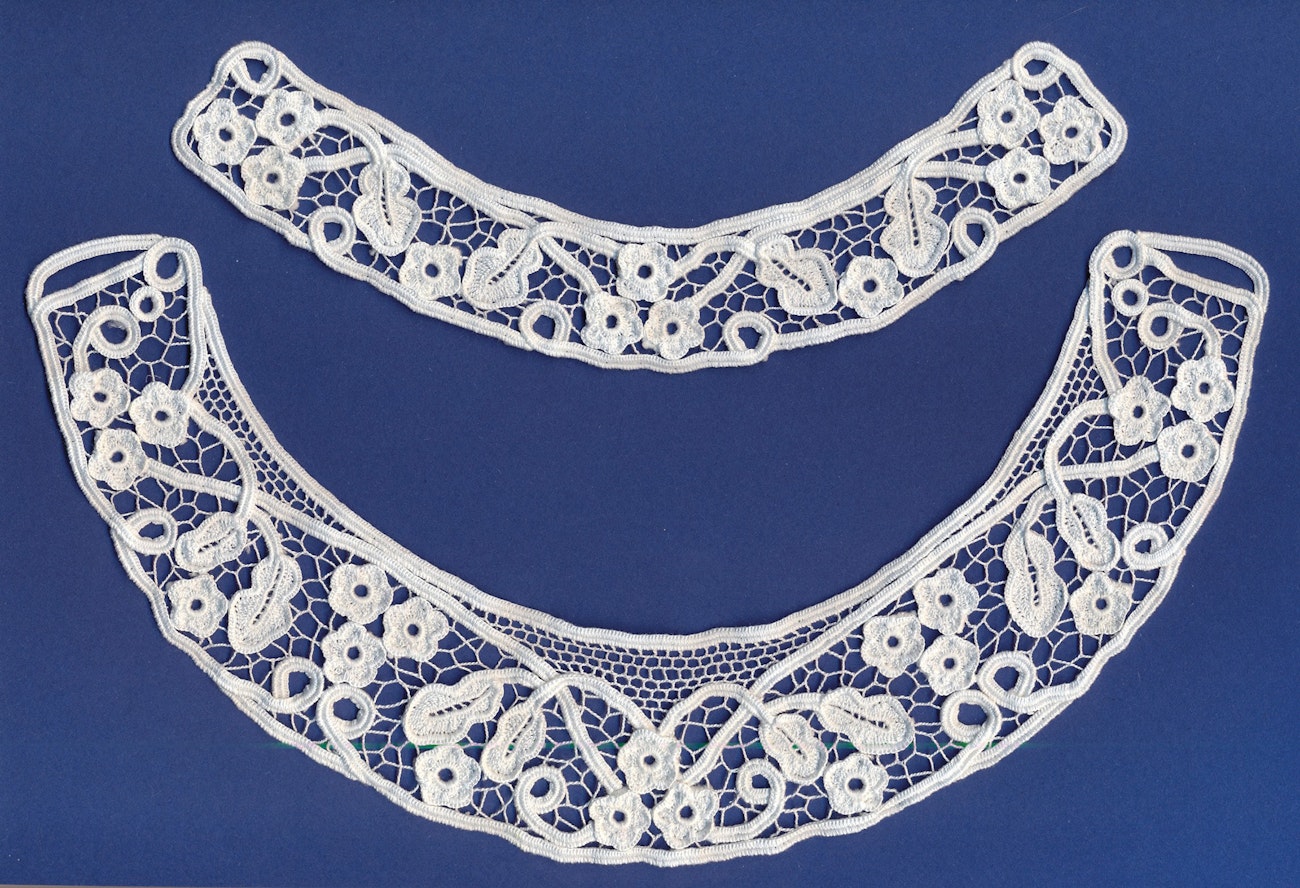
Csetnek lace collars crocheted by Julianna Máté, inspired by original designs created by Aranka and Erzsébet Szontagh. Photo by Julianna Máté
#10 Shirt Points, Cravats, and Stocks: Men’s Fashion of the Regency Era
Turns out there's a whole lot of starch involved in the art of being fashionable!
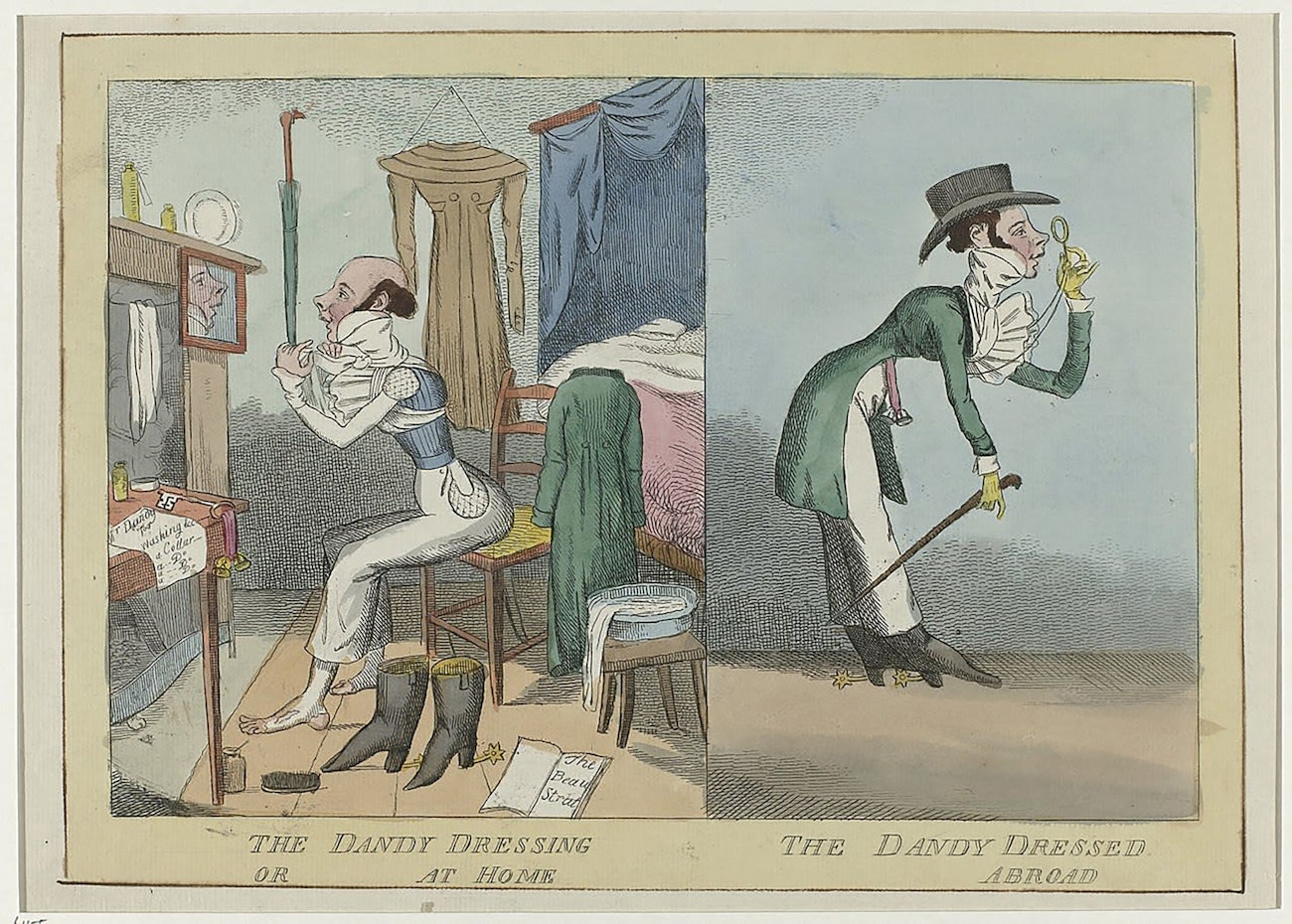
A satirical illustration of a dandy, circa 1820 to 1830. Notice the extra-high shirt points that go up to the earlobe. Image credit: The Rijksmuseum
We hope you enjoyed this look back at some of our fan favorites for 2025. We’re looking forward to a terrific year ahead filled with meaningful stories, a variety of needlework projects, and, of course, further exploration into those little known corners of needlework history.
Happy New Year from all of us at PieceWork.