
For our Fall 2027 issue, we are eager to read your proposals for articles and projects that spotlight individual textile artists, artisan collectives, and organizations around the world who are actively preserving, sustaining, or revitalizing traditional handicrafts. Our goal is to celebrate the makers safeguarding endangered techniques, innovating within heritage practices, and sustaining community rooted craft traditions for future generations.
We welcome submissions covering a variety of craft traditions, regions, or communities, from long-established heritage practices to grassroots efforts reviving techniques at risk of disappearing. We are especially interested in traditions that are underrepresented in existing coverage, and in work led by practitioners from those communities and cultures.
In addition to artist and organizational profiles, we seek stories that examine how preservation and revitalization occur in practice: the individuals and groups doing the work; the cultural or economic challenges they navigate; and the tangible impact on their communities.
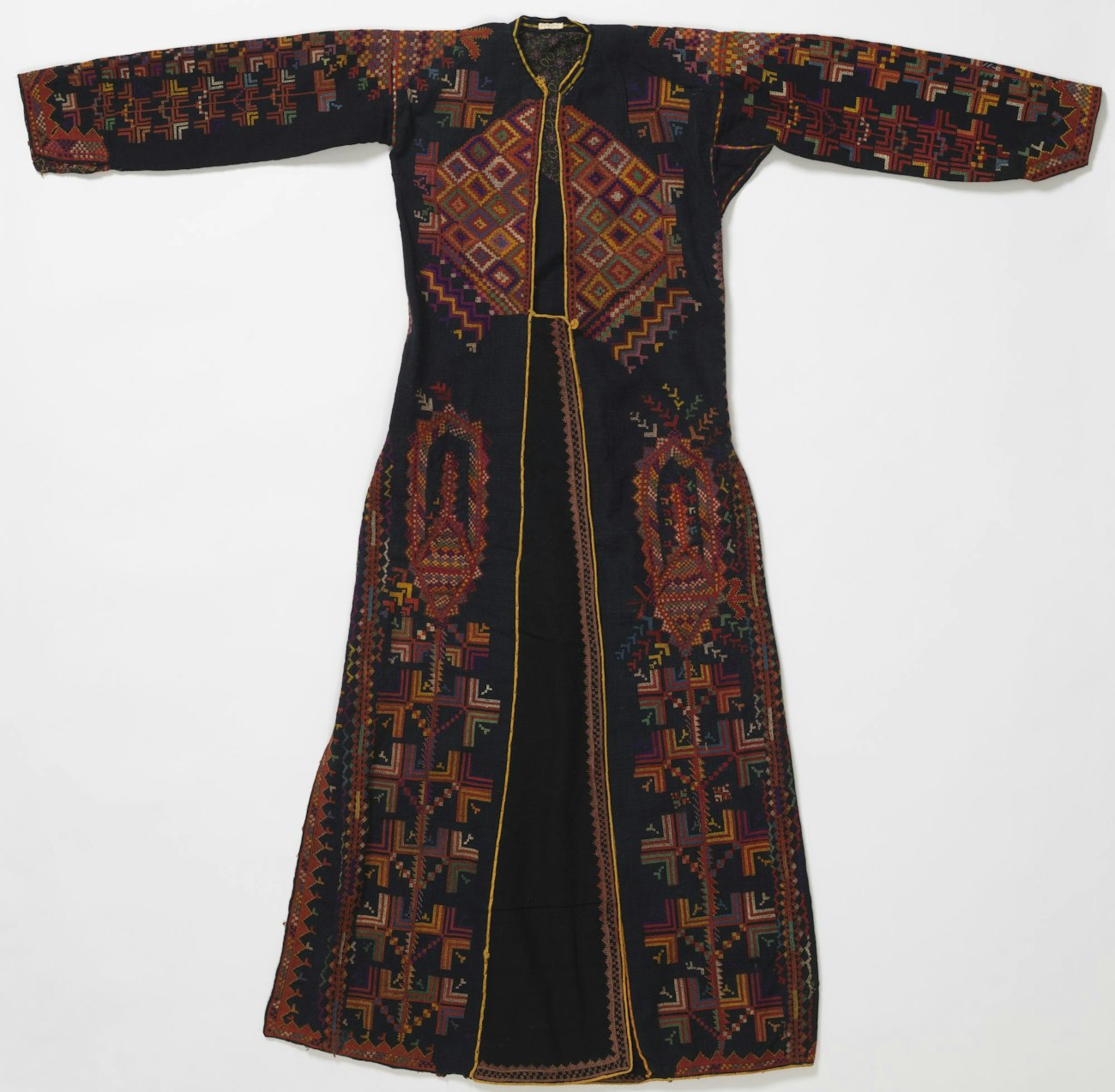
A nineteenth-century dress from Palestine. Heavy black cotton embroidered in colored silks. Gift of John C. Monks. Photo courtesy of the Cooper Hewitt, Smithsonian Design Museum
Ideas and Inspiration
- Profiles of individual artists working in embroidery, dyeing, lacemaking, felting, or other traditional textile arts that are considered threatened
- Stories from cooperatives, community workshops, and organizations—such as the Heritage Crafts Red List, Tracks4Crafts, or the Endangered Material Knowledge Programme—dedicated to sustaining regional craft knowledge
- Photo essays documenting historical techniques or processes of revitalization
- Interviews with practitioners, cultural preservationists, or community leaders
- Projects documenting endangered or lesser known techniques, especially those at risk due to globalization, climate change, or generational shifts
- Narratives that connect past and present, showing how heritage textiles evolve through contemporary design, activism, or cultural preservation
Historical and Historically Inspired Projects, Made by Hand.
- Embroidered garments from specific regions of the world, such as Hungary; Palestine; Guizhou, China; or Karnataka, India
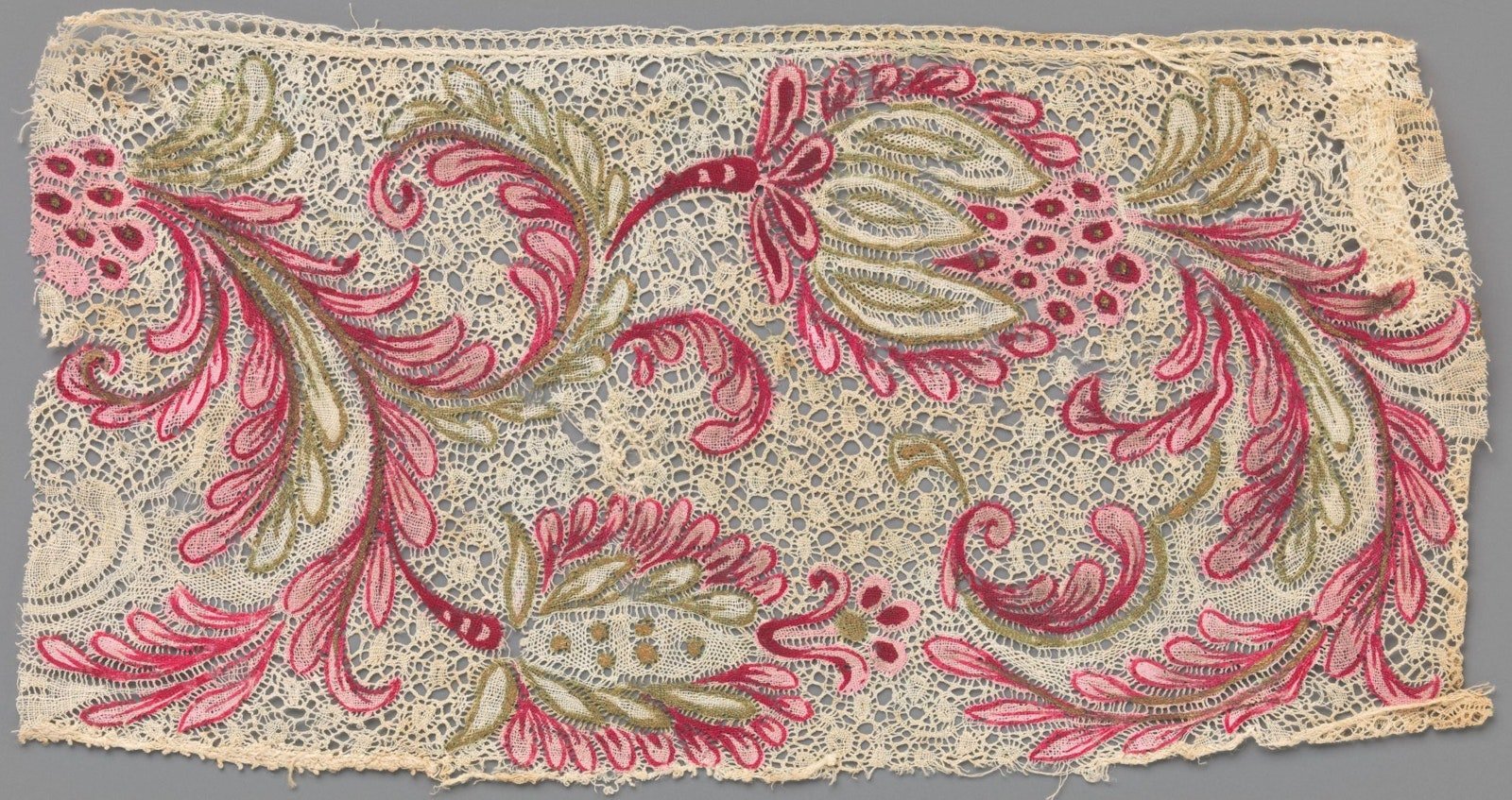
- Bobbin lace or other lace techniques in a variety of traditions
- Basketry
- Feltmaking
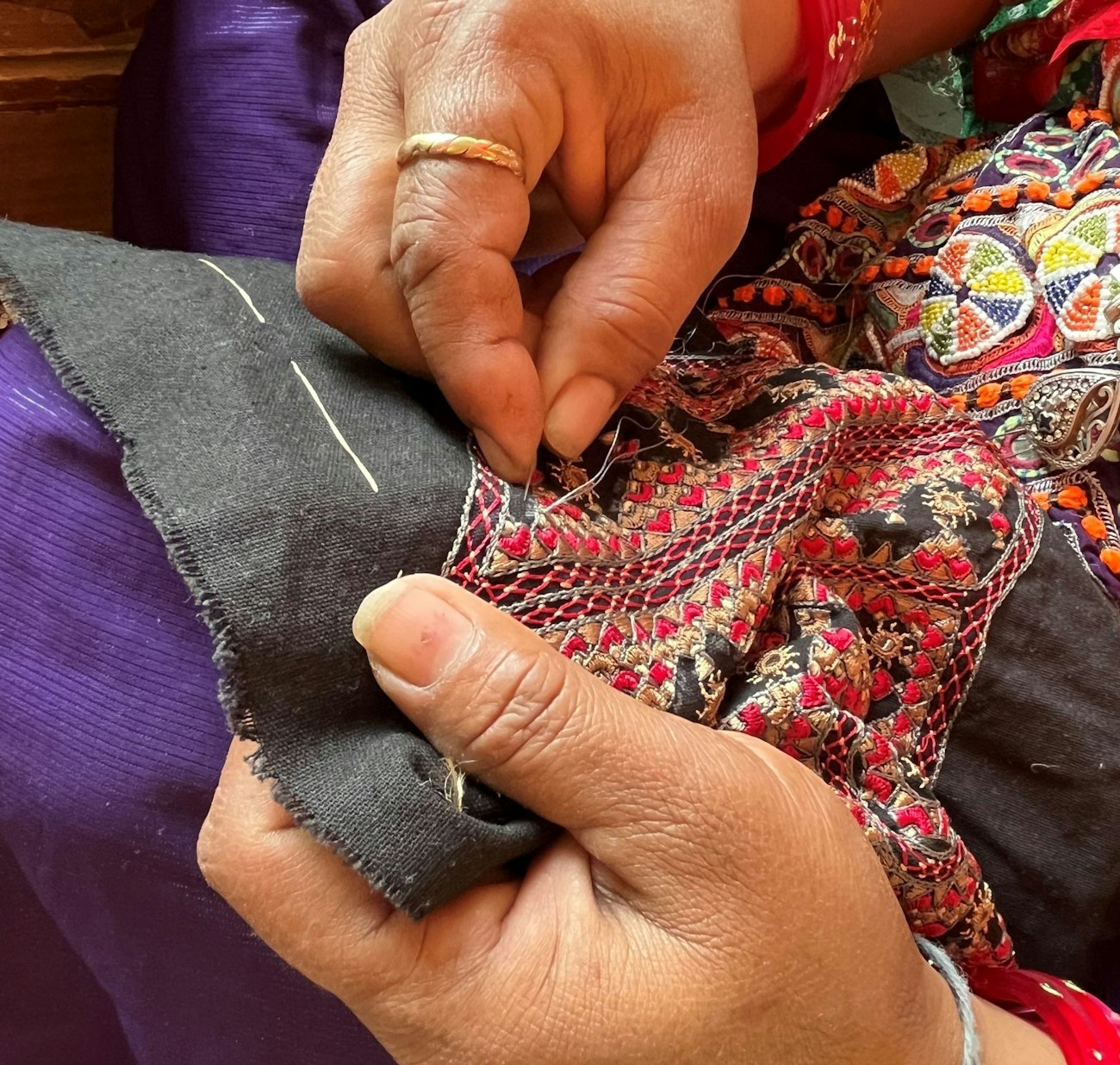
An embroiderer works in a needlework cooperative in Bhuj, India. Photo by Karen Elting Brock
How-to Articles
- Explorations of specific techniques, such as fabric pleating or tassel making
- Advice for preserving heirloom textiles
If you have an idea for a short, 500‑word piece, you’re invited to submit a proposal for possible publication on our website.
Submission Process and Forms
Online Submissions Form for PieceWork Fall 2027 and Website
PieceWork Contributor’s Guidelines
PieceWork Photo Guidelines
Questions? Contact us at [email protected].
Do you want to be added to the PieceWork Call for Submissions email list? Sign up here
Key Dates
Submissions due:
October 5, 2026
We will notify you of our decision:
The week of October 19, 2026
If selected, finished articles and projects will be due:
January 18, 2027