

This lovely layering piece is lightweight, soft, and breathable, knitted in two alpaca/bamboo blend yarns.
The Suffragette’s Coat combines drama, fine details, and history.
The handkerchief hem is what first drew my eyes to this design.
This shawl features a simple five-stitch, five-row lace motif and uncomplicated construction, making it a perfect project for a beginner to lace knitting.
What’s not to love about Schiaparelli's Shawl? Fun stripes? Check. Super-easy lace? Check. Speckled-but-not-too-speckled yarn? And check.
This bottom-up sweater pays homage not only to sailor’s uniforms, but also to the “New Woman” of the early twentieth century who adopted a dress version of the iconic top.
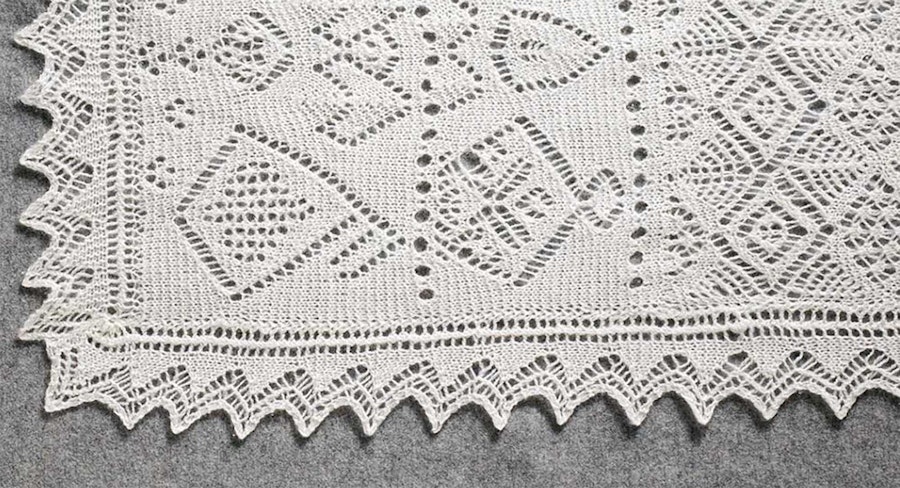
In 2005, the owner of a damaged shawl asked Margaret Stove to restore the family heirloom as closely as possible to its original state.

PieceWork has been publishing a special theme issue on knitting for several years now, and it has become an annual best seller. It has even spawned a spinoff, Knitting Traditions, likewise a crazy success.
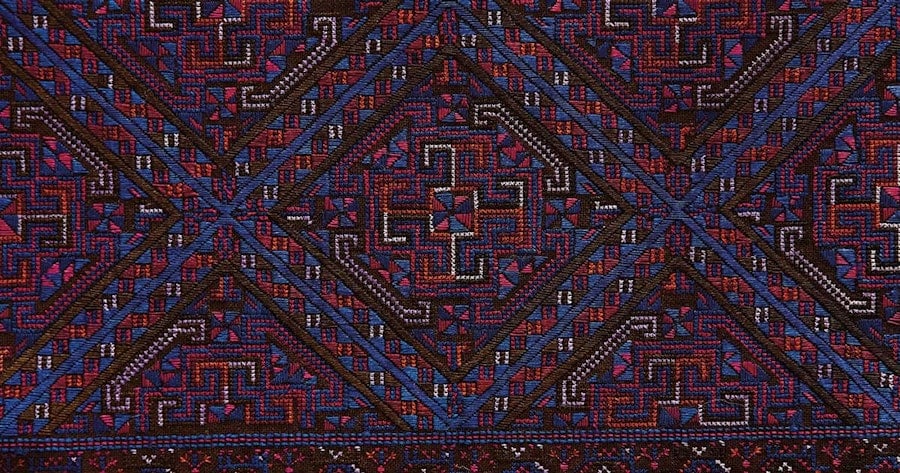
Embark with us on a PieceWork journey that celebrates “fine work.” We travel the globe and present examples of especially fine embroidery, knitting, needlepoint, and crochet.
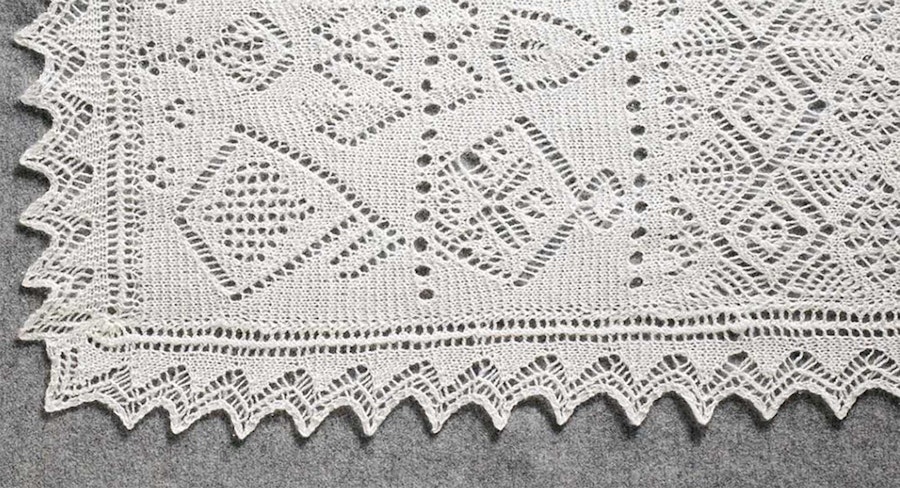
For an example of knitting that would have been done in the last two decades of the nineteenth century, the Victorian era, we asked Carol Huebscher Rhoades to knit the Double Rose-Leaf pattern for us.