
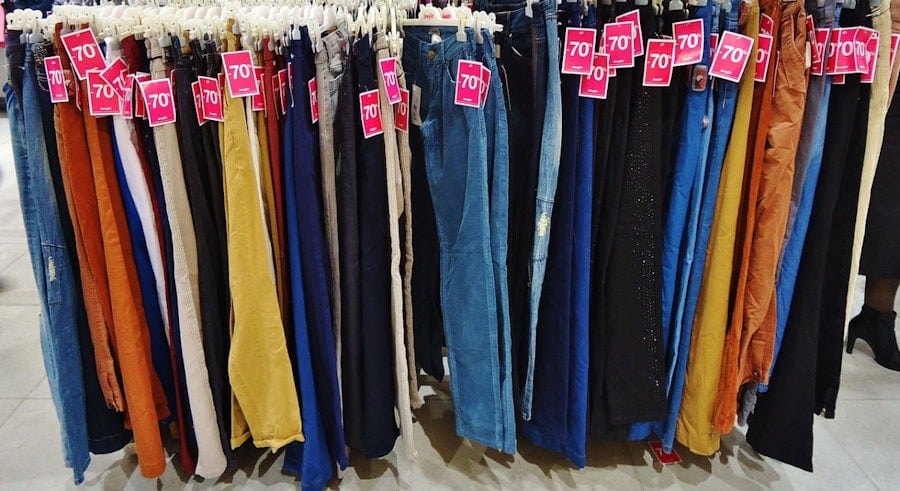
Recently Archaeologists have unearthed what is now the world’s oldest trousers.
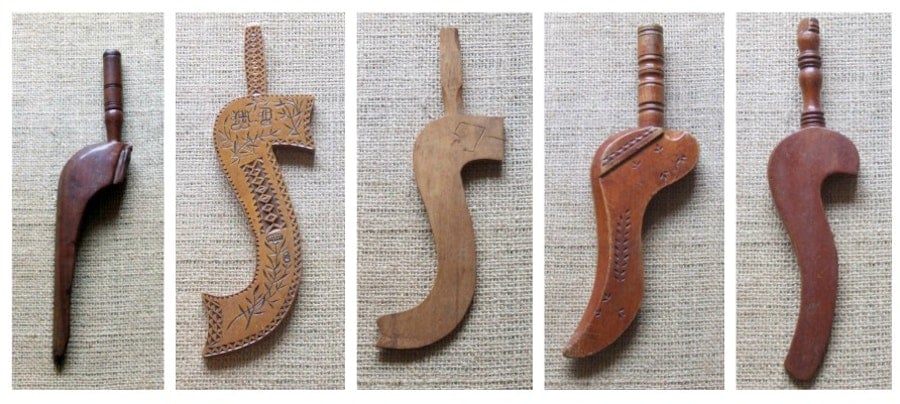
The tool that enabled people to knit quickly and to knit while standing and walking was the knitting sheath. Knitting sheaths varied in quality, workmanship, shape, and decoration.

Donna Druchunas’ Gobi Desert Socks were based them on the pair of knitted socks purchased on a trip to Mongolia by Long Thread Media’s founder Linda Ligon.
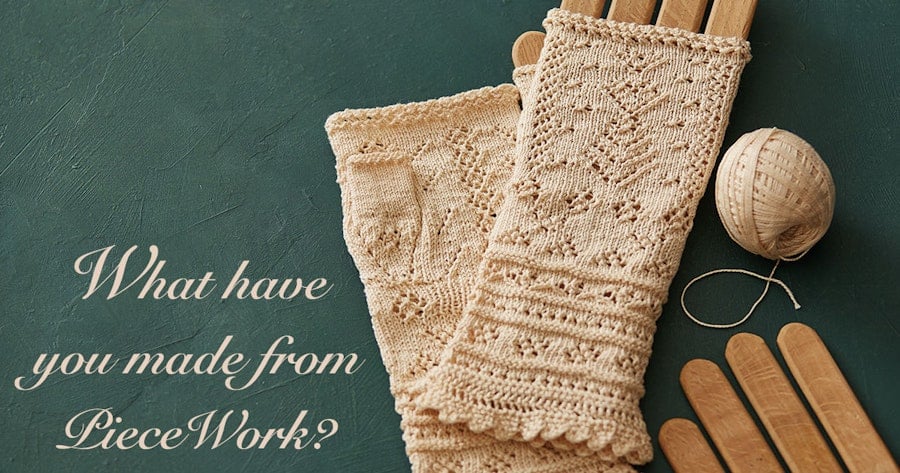
The Winter 2018 issue of PieceWork dives into the rich history of needlework and includes projects inspired by literature, vintage craft magazines, and more.

Inspiration for a pair of knitted socks can be found just about anywhere, including in the pages of a popular historical fiction novel!
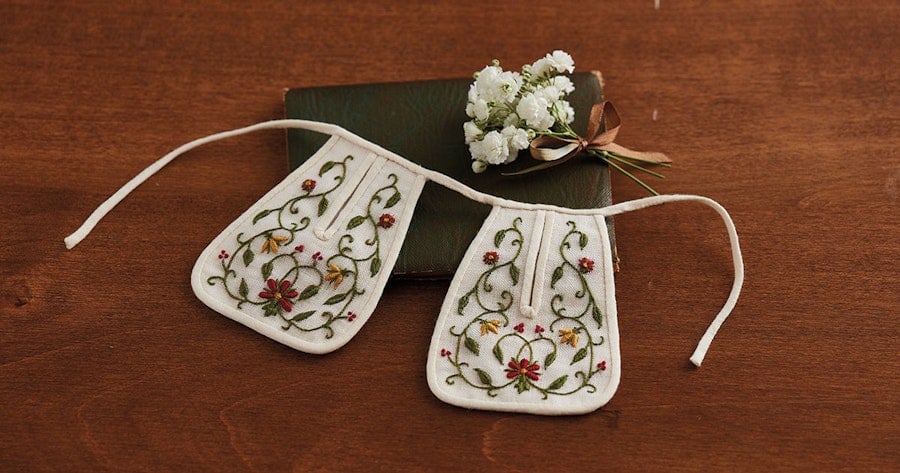
The fashion doll was a popular portrayer of style in the eighteenth century and the predecessor of fashion plates and then fashion magazines.

These party socks were inspired by a number of historic socks Nancy Bush has been fortunate to see in various museums over the last ten years.
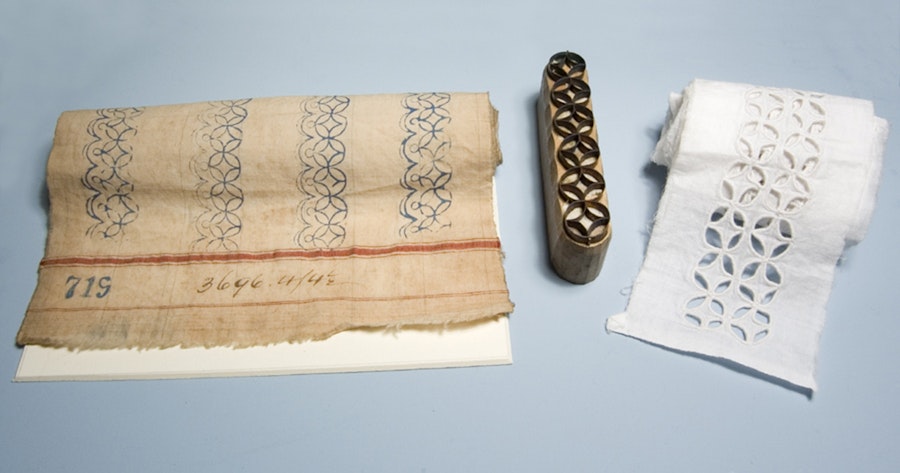
Ayrshire, a county on the southwest coast of Scotland, is perhaps best known as the birthplace of the poet Robert Burns. But Ayrshire is also home to an exquisite style of whitework embroidery known as Ayrshire needlework.
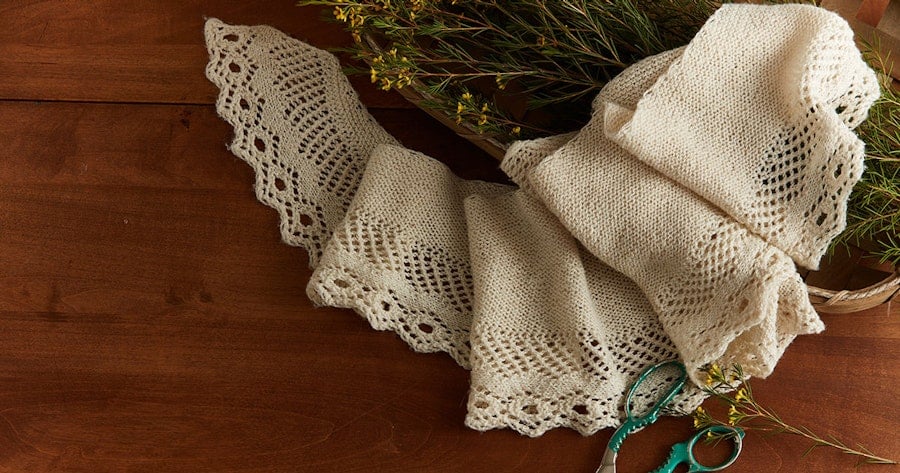
Many of you know that the PieceWork staff really loves Weldon’s Practical Needlework, published in the late 19th and early 20th centuries by Weldon’s, a prolific Victorian pattern company located in London.
For knitwear designer Vicki Square, the illustrations in Weldon’s Practical Needlework provide a great source of enjoyment and inspiration.